
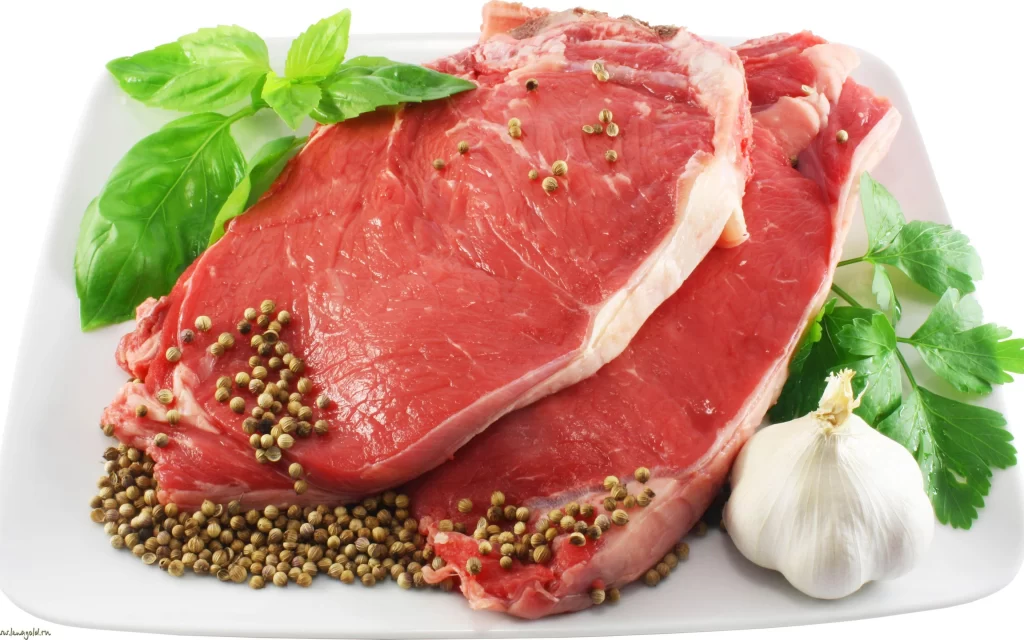

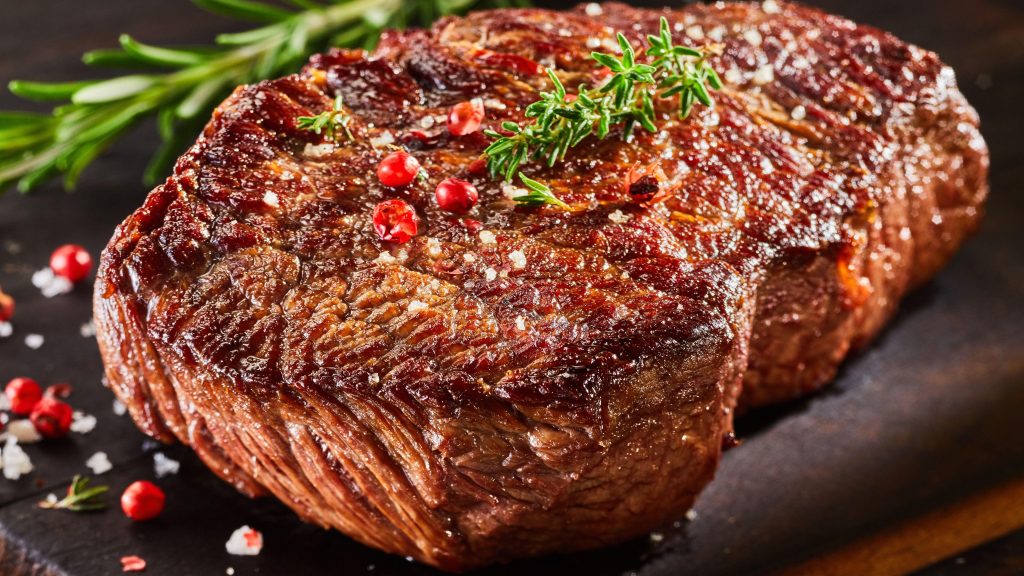

In a heartening turn of events for South African consumers, the latest data from Bloomberg’s Shisa Nyama Index paints a picture of declining meat prices. As the nation’s love for braais and gatherings around the fire remains a cherished tradition, the drop in meat prices comes as welcome news, potentially allowing families to indulge in an extra tjop or two without breaking the bank.
According to the Bloomberg Shisa Nyama Index, the average price of meat has decreased compared to the previous month. This decline in meat prices is mirrored by a broader trend, with the country’s consumer food inflation also showing a notable slowdown, registering at 6 percent in February.
What’s driving this positive shift? AGBIZ Chief Economist, Wandile Sihlobo, attributes the drop in meat prices to a recovery in supply. This suggests that factors such as improved agricultural productivity, favorable weather conditions, or enhanced distribution networks may be contributing to the increased availability of meat products, thereby alleviating pressure on prices.
For consumers, this development holds significant implications. Lower meat prices not only translate to more affordable braais and gatherings but also contribute to easing the overall cost of living. As food constitutes a substantial portion of household budgets, any reprieve in food prices can have a meaningful impact on consumers’ purchasing power and financial well-being.
Moreover, the slowdown in consumer food inflation signals a broader stability in the food market, which is crucial for economic resilience and social welfare. When food prices soar, it disproportionately affects low-income households, exacerbating poverty and food insecurity. Therefore, any measures that mitigate inflationary pressures in the food sector are instrumental in promoting social equity and stability.
Beyond the immediate economic implications, the decline in meat prices also underscores the resilience and adaptability of South Africa’s agricultural sector. Despite facing various challenges, including climatic uncertainties and logistical hurdles, the sector has demonstrated its capacity to respond to changing market dynamics and meet consumer demand.
Looking ahead, it remains imperative to sustain this positive momentum in the food market. Policymakers, industry stakeholders, and agricultural producers must continue to collaborate to ensure a conducive environment for agricultural production, distribution, and pricing. Investments in infrastructure, technology, and market information systems can further enhance the efficiency and resilience of the agricultural value chain, ultimately benefiting both producers and consumers.
In conclusion, the recent drop in meat prices reflected in the Shisa Nyama Index brings a glimmer of hope for South African consumers. It signifies not only a more affordable indulgence in beloved traditions but also a broader trend of stability and resilience in the food market. By leveraging this momentum and implementing strategic interventions, South Africa can continue on the path towards a more inclusive and sustainable agricultural sector, ensuring food security and prosperity for all. So, fire up the braai, sizzle that meat, and enjoy the fruits of a more favorable market environment.
