
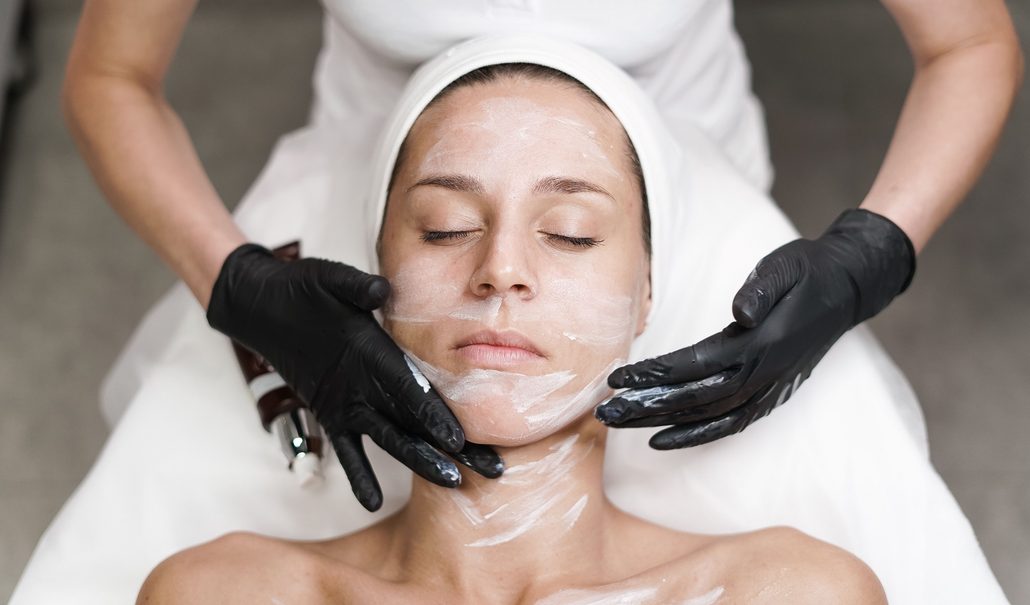
How bio-remodelling works, who it may suit, what it costs to plan for, and what to realistically expect.
Skin treatments are increasingly moving beyond simply filling lines or adding volume. One treatment attracting attention is bio-remodelling, an injectable approach designed to improve skin hydration, texture and overall quality without dramatically changing facial contours.
Bio-Remodelling Explained: The Injectable Treatment Designed to Improve Skin Quality
Bio-remodelling uses hyaluronic acid-based injectable products to support skin hydration and improve its appearance over time. Unlike traditional dermal fillers, which are generally used to restore volume or enhance specific facial features, it focuses on the condition of the skin itself. It is often discussed alongside skin boosters, although the two are not always the same thing.
Aesthetic medical practitioner Dr Alek Nikolic has seen growing interest in the treatment. He explains how it works, who may benefit, what happens during an appointment and why realistic expectations matter.
What is bio-remodelling?
Bio-remodelling is an injectable treatment intended to improve skin quality by supporting hydration and the skin’s natural regenerative processes.
As skin ages, changes in collagen, elastin and moisture levels can contribute to fine lines, reduced elasticity and a less supple appearance. Certain hyaluronic acid-based injectables are designed to improve hydration and support changes in skin texture and elasticity.
Hyaluronic acid is a substance naturally found in the body that helps retain moisture. However, not all injectable skin boosters work in exactly the same way. Their formulation, injection technique, treatment areas and expected results depend on the specific product being used.
“I describe it to patients as a wake-up call for the skin,” says Dr Nikolic. “The improvement comes from your own skin working harder, so the results look natural.”
How strong is the evidence?
It is worth knowing what the research does and doesn’t show. Published studies on hyaluronic acid bio-remodelling products are often small and open-label, meaning participants and investigators know which treatment is being given. A 16-week open-label evaluation of one such product reported improvements in facial skin parameters and good tolerability, but larger and independent trials would give a firmer picture. Practitioners’ explanations of how the treatment works, including the idea that it stimulates collagen and elastin, are consistent with the manufacturers’ descriptions and with this early research, but they should be read as promising rather than proven for every patient.
For anyone interested in the science behind everyday skin health, our guide to the power of Vitamin C in achieving brighter, healthier skin explores another part of the wider skincare conversation.
Bio-remodelling vs dermal fillers: what’s the difference?
Although both treatments involve injectable products, they have different purposes.
Dermal fillers are generally used to restore lost volume, soften certain folds or enhance facial contours. Depending on the product and treatment area, they may be used around the cheeks, lips, chin and jawline.
Bio-remodelling, by contrast, is intended to improve skin quality rather than reshape the face. The product is administered at specific injection points and is designed to spread through the treated tissue.
The results are therefore different. Fillers can create visible volume changes, while bio-remodelling aims for improvements in hydration, texture and skin appearance over time.
Neither treatment is automatically better than the other. The right option depends on the person’s concerns, skin condition and desired outcome.
Who may benefit from bio-remodelling?
Bio-remodelling may appeal to people who are beginning to notice changes in their skin and want a subtle improvement without adding significant facial volume.
Depending on the product and treatment plan, it may be considered for concerns such as:
- Dry, dull or dehydrated-looking skin
- Fine lines and uneven texture
- Early changes in skin firmness
- Crepey-looking skin on areas such as the neck, chest and hands
“Most of my bio-remodelling patients want to look fresher,” says Dr Nikolic.
A consultation is important because similar skin concerns can have different causes. Pigmentation, acne scarring, deeper wrinkles and significant skin laxity may require other treatments.
For readers dealing with uneven skin tone or dark marks, our Pigmentation 101 guide offers more information about common pigmentation concerns and skincare ingredients.
What happens during a bio-remodelling appointment?
Treatment begins with a consultation. The practitioner assesses the patient’s skin, discusses their expectations and determines whether the proposed injectable is suitable.
The procedure itself may take approximately 15 to 20 minutes, depending on the product and treatment area. In the approach described by Dr Nikolic, the injectable is administered at a number of small points on each side of the face before dispersing beneath the skin.
Small raised bumps may appear around the injection sites. These generally settle within a short period, although temporary redness, tenderness, swelling or bruising can also occur.
Patients are usually given aftercare instructions, which may include temporarily avoiding make-up, strenuous exercise and saunas.
Anyone considering treatment should ask the practitioner which product will be used, what its approved indications are, what risks apply and what aftercare is required.
How many sessions are needed, and when do results appear?
The treatment schedule depends on the injectable product and the individual’s needs.
Dr Nikolic says that many of his patients are advised to have two sessions, typically four weeks apart, followed by maintenance treatments approximately every six months.
These timings should not be treated as a universal rule. Different formulations have different protocols, and a practitioner should explain the recommended schedule for the specific product being offered.
Improvements in hydration may become noticeable over the following weeks, while changes in skin texture and firmness can take longer to assess. Results vary, and maintenance may be needed.
What does bio-remodelling cost?
Prices vary by practitioner, product, treatment area and how many sessions are recommended. Because most plans involve two sessions plus maintenance, ask for the total cost of the first course, not just the price of one session, and what a maintenance session costs.
[ADD: price range from Dr Nikolic’s practice, or delete this line.]
A very low price is worth questioning. Ask what product is being used and whether it is the genuine product in sealed packaging.
Does it hurt?
Pain tolerance varies. The treatment involves multiple injections, so some discomfort is normal, and some practices apply numbing cream beforehand. Small bumps at the injection sites and slight tenderness afterwards are common. Ask your practitioner what they use for comfort and what to expect on the day.
What are the benefits and limitations?
For people seeking a gradual improvement in skin quality, bio-remodelling may offer an option that does not aim to change the shape of the face.
Potential benefits include:
- Improved skin hydration
- A smoother-looking skin surface
- Improvements in the appearance of fine lines
- A subtle, gradual approach to skin rejuvenation
- Treatment options for selected areas beyond the face, depending on the product
However, bio-remodelling is not a facelift and cannot be expected to correct significant sagging, deep folds or substantial volume loss. It is also not a substitute for a personalised skincare routine or sun protection.
The treatment involves injections, so it carries risks. Temporary swelling, bruising, redness and discomfort can occur. Infection and more serious injection-related complications are uncommon but possible. Appropriate patient selection, product knowledge, sterile technique and an experienced medical practitioner are important.
Bio-remodelling may not be appropriate for everyone. Pregnancy, breastfeeding, active skin infections and certain medical conditions may affect whether treatment can be performed safely. Tell your practitioner about any allergies, bleeding or autoimmune conditions, and any medicines you take, including blood thinners.
Choosing the right practitioner matters
The popularity of injectable treatments makes it especially important to understand who is performing the procedure.
Patients should seek a suitably qualified medical practitioner with appropriate training in aesthetic injections. A good first step is to confirm that the practitioner is registered with the Health Professions Council of South Africa (HPCSA). Ask to see the product packaging, confirm that the product is appropriate for the intended treatment, ask about its regulatory status in South Africa and find out what to do if a complication occurs.
“Some people need bio-remodelling, some need filler, and many benefit from a combination over time,” says Dr Nikolic. “The consultation is where we work out what will give you results that still look like you.”
Ultimately, bio-remodelling is best understood as one option within the wider field of aesthetic medicine. It may help improve skin quality for suitable patients, but the best results begin with a proper assessment, a qualified practitioner and realistic expectations.
Frequently asked questions
What is bio-remodelling?
An injectable hyaluronic acid-based treatment intended to improve skin hydration, texture and quality, rather than to add volume or reshape the face.
How is bio-remodelling different from dermal fillers?
Fillers are generally used to restore volume or shape. Bio-remodelling aims to improve the quality of the skin itself.
How many sessions do I need?
It depends on the product. Dr Nikolic says many of his patients are advised to have two sessions about four weeks apart, followed by maintenance roughly every six months.
How long does it take to see results?
Hydration may improve over the following weeks. Texture and firmness changes can take longer to judge, and results vary.
Is there downtime?
Small bumps at the injection sites usually settle quickly. Temporary redness, swelling or bruising can occur, and you may be asked to avoid make-up, strenuous exercise and saunas for a short time.
Does it hurt?
Some discomfort is normal because of the number of injections. Ask your practitioner what they do to keep you comfortable.
Who shouldn’t have bio-remodelling?
Pregnancy, breastfeeding, active skin infections and certain medical conditions may affect whether it is safe. Always disclose your medical history and medicines.
Can it replace a facelift or fillers?
No. It doesn’t correct significant sagging, deep folds or volume loss.
How much does it cost?
Prices vary by practitioner, product, area and number of sessions. Ask for the total cost of the first course and of maintenance.
How do I check my practitioner?
Check their registration with the HPCSA, ask which product will be used, and ask to see the packaging.
About Dr Alek Nikolic
Dr Alek Nikolic is an aesthetic medical practitioner whose work focuses on skincare, cosmetic dermatology and non-surgical aesthetic treatments. According to his practice biography, he holds an MBBCh from the University of the Witwatersrand, obtained in 1992, and an MBA from the University of Cape Town, completed in 2000.
The same biography states that he has performed more than 20,000 procedures and has lectured and conducted demonstrations locally and internationally. His work includes treatments such as lasers, chemical peels, botulinum toxin and dermal fillers.
Disclosure: he is also associated with SkinMiles and Skin Ingredients, where he is listed as the owner and formulator. More information about his practice is available at dralek.co.za and Skin Ingredients.
This article is for general information only and is not medical advice. Speak to a qualified medical practitioner about whether a treatment is right for you.
You Can Also Shop
Looking to refresh your wardrobe or personal-care routine? Explore these brands and discover more:

