
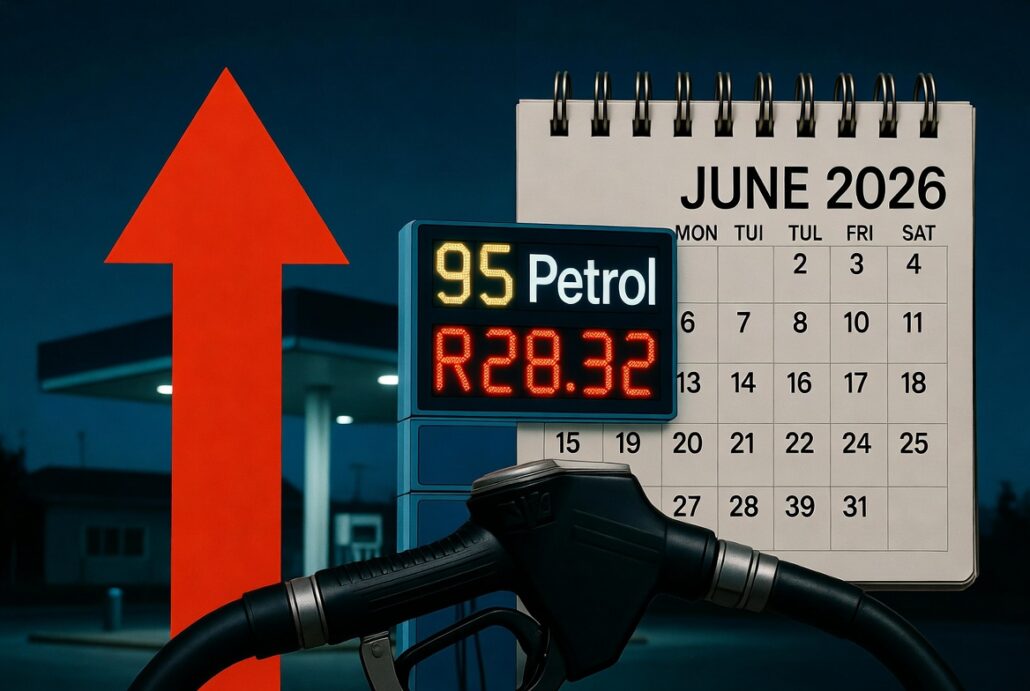
Petrol Prices Surge: South African Motorists Face R3 Per Litre Increase in 2024
Petrol Prices Surge: South African Motorists Face R3 Per Litre Increase in 2024
Malcolm Libera · 20 May 2024
As of May 2024, South African motorists are grappling with a significant increase in petrol prices, now paying R3 per litre more to fill up their cars compared to the beginning of the year. This price hike translates to some drivers shelling out up to R240 more per tank at the pumps.
In January 2024, the price of petrol 95 and 0.005% diesel stood at R22.49 and R20.73 per litre, respectively. Fast-forward five months, and these prices have surged by over 13% and 7%, respectively. While diesel has seen some relief in the past two months, petrol has endured four consecutive price hikes, amounting to a total increase of R3.00.
Bloomberg’s analysis highlights that although oil prices have been relatively stable, they have seen a gradual increase since the start of the year. This uptick can be attributed to several factors, including production cuts by oil-producing countries (OPEC+), ongoing tensions in the Middle East, and disruptions in shipping in the Red Sea.
Currently, the volatility in oil markets is significantly impacting petrol prices in South Africa. In May, due to market instability, the under-recovery rate has been affected by 37 cents per litre. Consequently, South Africans are now paying R25.49 per litre for petrol and R22.24 per litre for diesel.
However, there are early signs of potential relief next month. The South African rand has experienced some relative strength in May, as political tensions surrounding the upcoming 2024 elections have eased, and markets are anticipating a more business-friendly outcome. According to Investec chief economist Annabel Bishop, while the rand is expected to remain volatile, it could strengthen with an early US rate cut and around 45% ANC voter support, provided there are no ANC/EFF coalitions.
Additionally, with OPEC+ nations continuing to curtail output to prevent a glut and maintain global prices, oil prices remain relatively stable and are significantly lower than the $90+ per barrel seen earlier in the year. Mid-month data from the Central Energy Fund (CEF) also points to potential price cuts across the board, offering a glimmer of hope for South African motorists.
As the situation evolves, it remains crucial for South Africans to stay informed about fuel price trends and potential economic shifts that could impact their daily lives and financial well-being.
