
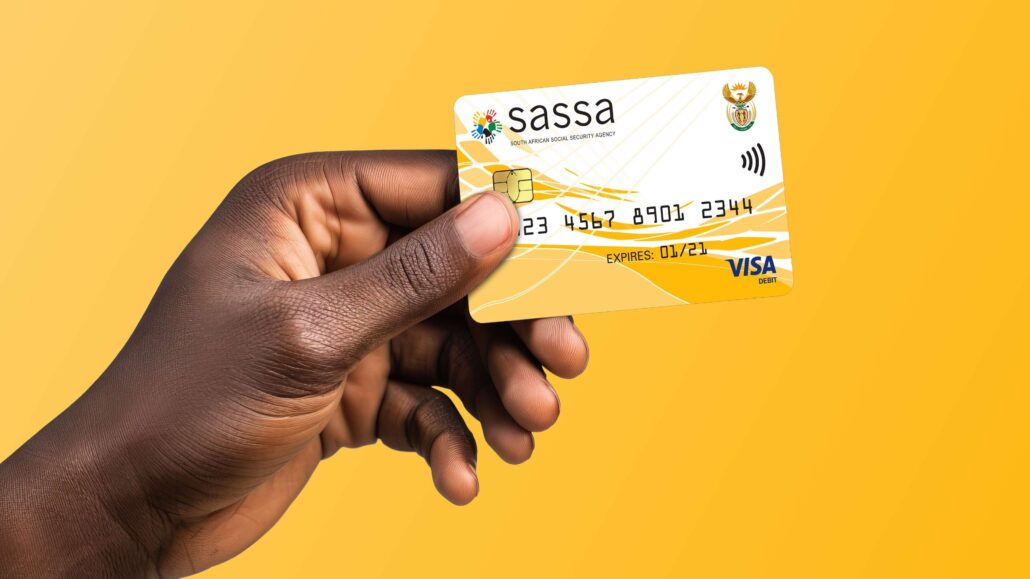
SASSA Confirms SRD Grant Eligibility for Asylum Seekers and Special Permit Holders
SASSA Confirms SRD Grant Eligibility for Asylum Seekers and Special Permit Holders
The South African Social Security Agency (SASSA) has confirmed that asylum seekers and Special Permit holders remain eligible for the R370 Social Relief of Distress (SRD) grant, alongside South African citizens and officially recognised refugees.
The confirmation has reignited national debate, particularly as millions of South Africans continue to face long SRD payment delays, declined applications, and an unemployment rate exceeding 32%.
Who Qualifies for the R370 SRD Grant?
According to SASSA’s current policy framework, eligibility for the SRD grant includes:
- South African citizens
- Permanent residents
- Recognised refugees
- Asylum seekers
- Special Permit holders with valid documentation
SASSA maintains that eligibility is assessed based on legal status, income thresholds, and financial need, rather than nationality alone.
Why the Policy Exists
The SRD grant was introduced as a temporary social protection measure during the COVID-19 pandemic and has since been extended due to ongoing economic hardship.
Government policy aligns with South Africa’s constitutional obligations and international commitments to protect vulnerable individuals legally residing in the country, including asylum seekers.
Growing Public Frustration
Despite the policy rationale, public frustration has intensified due to:
- Repeated SRD payment delays
- High rejection rates for South African applicants
- Youth unemployment and cost-of-living pressures
- Perceptions of unequal access to limited state resources
Many citizens argue that, as the SRD grant is funded through tax revenue, priority should be given to South Africans struggling to find work.
Experts Urge Context Over Emotion
Social policy analysts caution that the issue is complex. They note that:
- The SRD grant amount is relatively low (R370 per month)
- Not all applicants, local or foreign, are approved
- Structural unemployment and economic stagnation remain the core problems
Experts argue that focusing solely on grant eligibility risks diverting attention from deeper systemic failures, including job creation, skills development, and economic reform.
Is Policy Reform Likely?
At present, SASSA has not announced changes to SRD grant eligibility criteria. However, ongoing public pressure and fiscal constraints may force future policy reviews, particularly as government balances social welfare spending with economic recovery efforts.
The Bigger Question
The debate highlights a broader national conversation:
- How should South Africa balance humanitarian obligations with economic reality?
- Can social grants remain sustainable amid rising unemployment?
- Should SRD grants evolve into more targeted or work-linked support?
As economic conditions remain tight, discussions around fairness, sustainability, and social protection are expected to intensify.
How Is the ANC Connected to the SRD Grant Policy?
The African National Congress (ANC) is connected to the SRD grant through its role as South Africa’s governing party since 1994.
1. The ANC Leads Government Policy
As the ruling party, the ANC:
- Sets overall government policy direction
- Oversees national budgets through National Treasury
- Appoints ministers responsible for social development
The Department of Social Development, which oversees SASSA, operates under ANC-led administrations.
2. The SRD Grant Was Introduced Under an ANC Government
The R350 SRD grant (now R370) was:
- Introduced in 2020 under an ANC-led government
- Designed as emergency relief during COVID-19
- Extended multiple times due to ongoing economic hardship
Decisions to extend eligibility, including asylum seekers and Special Permit holders, were made within this policy framework.
3. Constitutional and Legal Obligations
The ANC government has consistently stated that:
- South Africa’s Constitution guarantees access to basic social assistance
- Court rulings and legal advice require inclusion of legally documented non-citizens in certain social relief programs
Excluding asylum seekers could expose the government to legal challenges, which influences policy decisions.
4. Budget Approval and Oversight
Although SASSA administers the grant:
- Parliament approves the budget
- ANC MPs hold the majority vote
- Treasury allocates funding under ANC leadership
This means the ANC ultimately supports or rejects funding for the SRD grant.
5. Is This an ANC-Only Decision?
Not entirely.
- The policy involves courts, Treasury, Parliament, and the Constitution
- Any ruling party would still need to comply with legal obligations
- Changes would require law or policy amendments, not just political statements
6. Why the ANC Is Criticised
Critics argue that:
- The ANC prioritises social grants over job creation
- High unemployment makes grant expansion controversial
- Poor administration causes delays affecting citizens
Supporters argue that:
- Grants prevent extreme poverty
- Excluding vulnerable groups could violate human rights
- The SRD grant is temporary, not permanent welfare
The Bottom Line
The ANC is connected because it:
- Governs the country
- Introduced and extended the SRD grant
- Oversees SASSA and social welfare budgets
However, constitutional law and court rulings play a major role in why asylum seekers remain eligible.
Frequently Asked Questions (FAQ)
1. Does SASSA really allow foreigners to receive the R370 SRD grant?
Yes. SASSA has confirmed that asylum seekers and Special Permit holders with valid documentation are eligible for the R370 SRD grant, along with South African citizens, permanent residents, and recognised refugees.
2. Which foreigners qualify for the SRD grant?
Eligibility applies to:
- Asylum seekers with valid permits
- Special Permit holders (e.g. Zimbabwean, Angolan, Lesotho permits)
Applicants must meet income and means-test requirements, regardless of nationality.
3. Why are asylum seekers included in the SRD grant?
The policy is based on South Africa’s constitutional and international obligations to provide basic social protection to legally documented vulnerable individuals living in the country.
4. Is the SRD grant funded by South African taxpayers?
Yes. The SRD grant is funded through government revenue, which includes taxes collected in South Africa.
5. Why are many South Africans still declined or waiting for payments?
Common reasons include:
- Income detected above the threshold
- Bank verification failures
- Incomplete or incorrect information
- System backlogs and verification delays
Both South Africans and non-citizens can be declined if they do not meet requirements.
6. Do foreigners get paid more than South Africans?
No. The SRD grant amount is the same for all approved applicants: R370 per month.
7. Has SASSA announced any changes to SRD eligibility rules?
As of now, no official changes have been announced. Eligibility criteria remain the same.
8. Can the SRD grant be cancelled for foreigners in the future?
Any change would require a policy or legal decision by government. Public debate and fiscal pressure may influence future reviews, but nothing has been confirmed.
9. How many people receive the SRD grant?
Millions of people apply each month, but not all applications are approved. Exact approval numbers fluctuate depending on verification outcomes and budget constraints.
10. Where can people check official SRD grant information?
Applicants should rely on:
- SASSA official channels
- Government statements
- Verified public notices
Avoid misinformation shared without official confirmation.
