
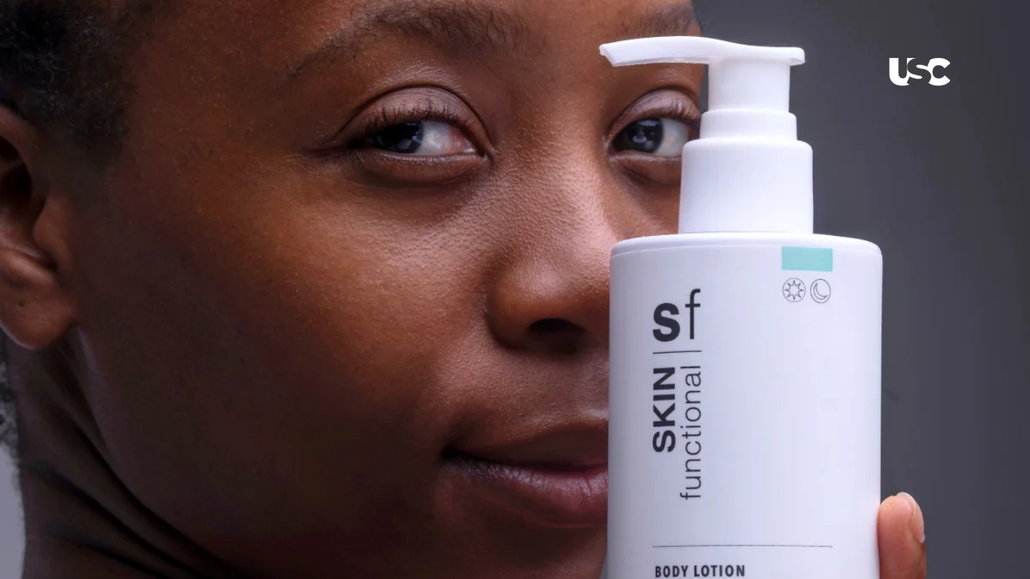
The missing step between body wash and sunscreen: SKIN Functional’s new Brightening Body Lotion
Why your body below your neckline deserves a skincare routine too
South Africa, October 2026 – Body care is having its own skincare moment locally, but most of the discussion so far has focused on cleansing, with body washes that clean but do not treat. What has been missing is the next step: a leave-on lotion that treats uneven tone on the body the way we treat it on the face.
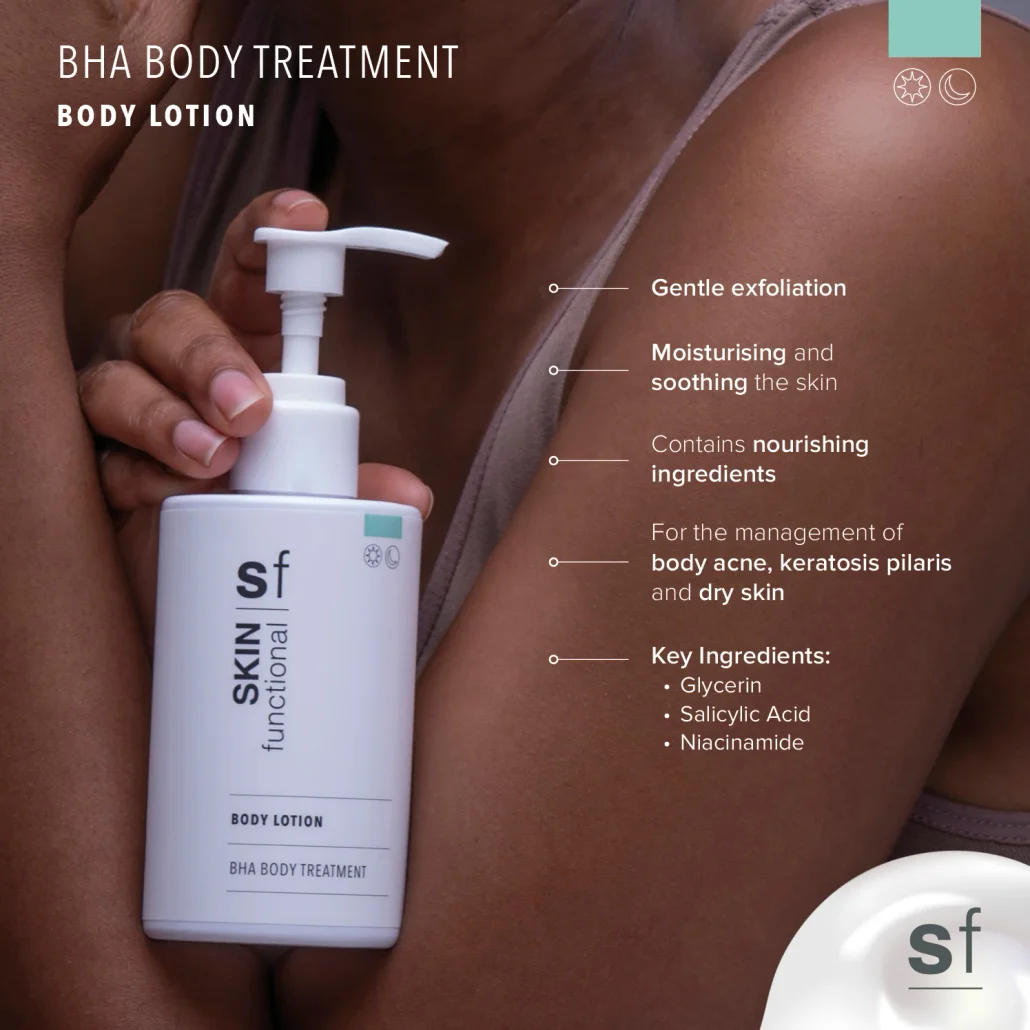
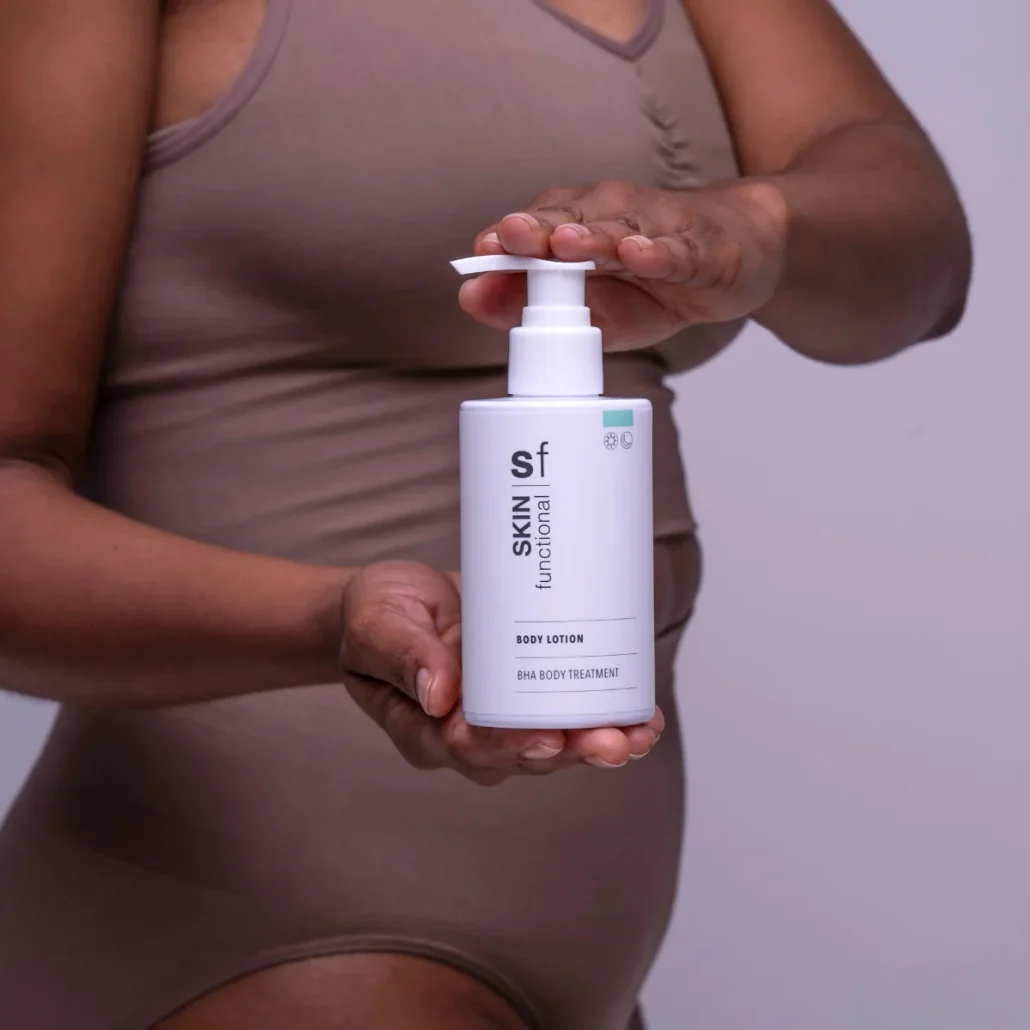
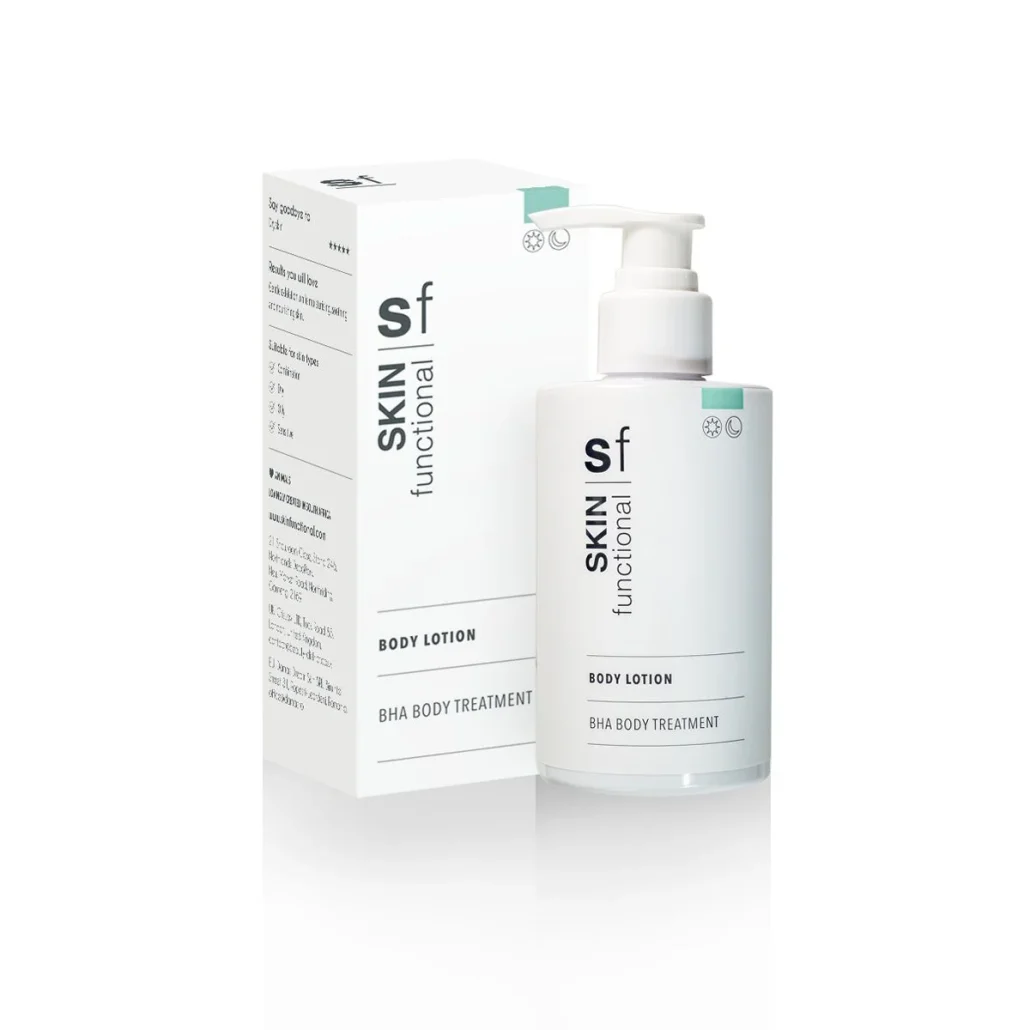
SKIN Functional has now launched exactly that: a leave-on, active-based treatment called the Brightening Body Lotion. “Skinification” is the word the industry uses for this shift. It means taking the same ingredient-led, routine-based approach we use for our faces and applying it to the skin below our neckline.
“We spend years building a routine for our face and then do almost nothing for the skin below our neck,” says Shannon Dougall, CEO and founder of SKIN Functional. “That skin deals with just as much friction from clothing, damage from sun, discomfort from shaving and waxing, and irritation from sweating. It is no surprise that knees, elbows, underarms, and inner thighs often look darker or uneven.”
Why uneven tone shows up on the body
Body skin makes pigment for the same reason face skin does – as a response to triggers. When there is repeated rubbing, like thighs against each other or elbows on a desk, or trauma from shaving and waxing, the skin sees it as irritation. It then makes more melanin, which is the pigment that gives skin its colour. That extra pigment can stay in the area as a dark patch. The sun makes it worse because UV tells pigment cells to keep producing. This is common in South Africa, where UV is high for most of the year, and many of us have melanin-rich skin that is more likely to mark after inflammation.
“Uneven tone on the body is often not about your natural colour. It is about excess pigment that has built up after friction or inflammation. That is why a normal body lotion that only moisturises does not change it,” Dougall explains.
What face-grade body care actually means
For the face, we have moved past only cleansing and moisturising. We now use actives that work on specific concerns. Face-grade body care means doing the same for the body. A leave-on treatment that stays on the skin and uses ingredients at levels that have been tested to target uneven tone.
“For a long time, body care was about fragrance or softness. Face-grade body care is about function. You leave it on, and the ingredients work over time to support more even-looking tone and hydration,” says Dougall.
A common response to darker knees or elbows is to scrub harder or use harsh lightening products. That can make uneven tone worse because it adds more friction and irritation. “If skin is already irritated, strong scrubbing or harsh lightening agents can increase inflammation and trigger more pigment. The priority has to be calming the irritation first, then using even-tone actives consistently and protecting with sunscreen,” Dougall explains.
What a body brightening routine looks like
Healthy, even-looking body skin comes from steady habits more than harsh treatments.
These habits include:
- Cleansing gently: Lift sunscreen, sweat, and pollution without stripping.
- Treating affected areas: Apply a leave-on lotion with even-tone actives to areas where tone looks uneven.
- Protecting every morning: Broad-spectrum SPF on exposed areas is non-negotiable. Sun keeps dark marks darker for longer.
- Being consistent: Use morning and evening on the same areas over weeks.
Lifestyle counts too. Tight clothing that rubs, dry skin, and lack of sun protection show up on body skin just as much as face skin.
Your targeted body treatment: Inside the formula and how to apply it
Uneven tone on the body often comes from extra pigment that forms after friction, sun, or inflammation. A body wash rinses off too quickly for brightening actives to work, whereas a leave-on lotion stays on.
The new lotion from SKIN Functional is a leave-on body lotion with ingredients more often used for the face: 2% Tranexamic Acid, 0.5% Hexylresorcinol, and 1% Liquorice Extract, with Niacinamide and Alpha Arbutin. They work on different steps in the pigment pathway, which is why they are used together for facial hyperpigmentation and now for the body.
It is lightweight and fast-absorbing, which helps for underarms, inner thighs, knees, and elbows where thick or heavily fragranced layers can add friction or irritation. It is suitable for oily, combination, dry and sensitive skin. It is fragrance-free, silicone-free, and alcohol free, cruelty-free, allergy- and toxicologically tested, and made in South Africa.
How to use: Apply morning and evening to affected areas where tone looks uneven. Do not use on intimate areas. Allow to absorb fully before dressing, as it may stain fabrics.
Sunscreen still matters most
Even with a treatment step in place, the routine is not complete without sun protection. Because the actives work on pigment, treated areas need daily broad-spectrum sunscreen, or new marks can form as quickly as old ones fade. A patch test before first use is recommended, given how these actives work.
Used together, a gentle body wash, this leave-on treatment, and sunscreen on exposed areas complete the routine that has been missing on the body.
“That is the whole point of skinification,” Dougall says. “Not more steps for the sake of it, but the same order we already trust on our face: cleanse, treat, protect. There is no reason the skin below our neck should get any less.”
END
