
STADIO Fashion Students Lead the Future With Circular Design at Worn & Reborn 2025
STADIO Fashion Students Champion Circular Design at Worn & Reborn 2025 in Pretoria
Johannesburg, South Africa – 30 November 2025
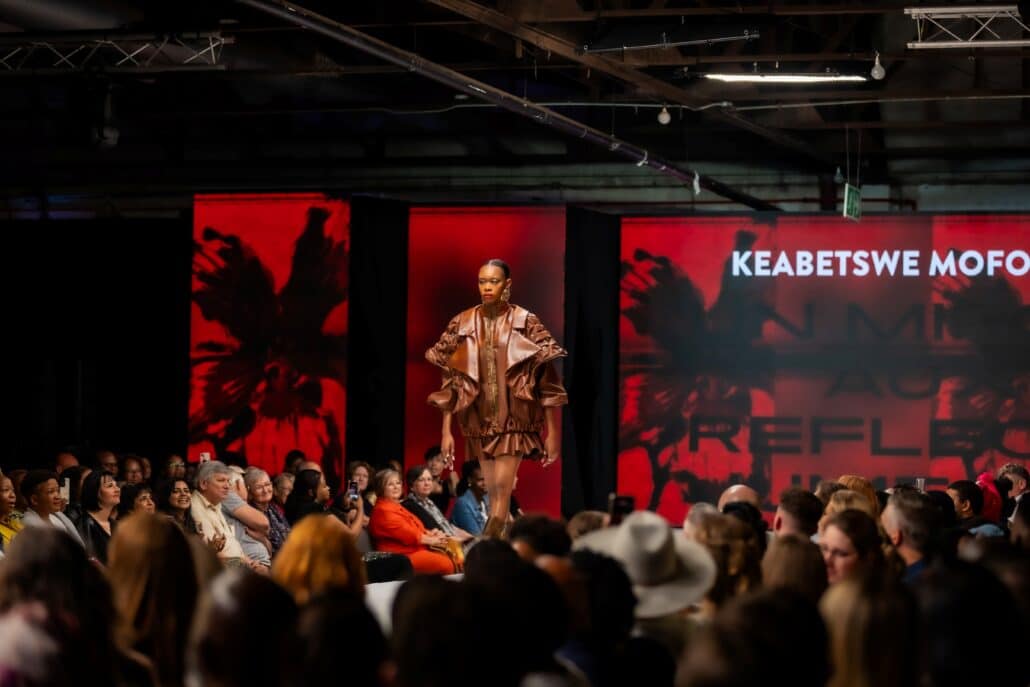
STADIO School of Fashion marked 30 years of fashion excellence with a powerful sustainability-driven showcase, Worn & Reborn, held on 29 November 2025 at 012Central in Pretoria CBD. The event placed circular fashion at the centre of the runway, highlighting how South Africa’s next generation of designers are being trained to create responsibly, innovate sustainably and reduce fashion waste.
Circular design is a growing global movement that replaces the traditional “take-make-dispose” model with a more responsible approach—keeping materials in use for as long as possible through upcycling, reuse, recycling and conscious production.
Reimagining Fashion Education Through Circularity
“As the global fashion industry confronts the realities of waste and overproduction, we are reimagining how designers are trained,” says Maryne Steenkamp, Head of STADIO School of Media & Design.
Both Higher Certificate and BA Fashion (Design Specialisation) students are immersed in sustainability from their first year. They are taught to upcycle garments, repurpose textile waste and use discarded materials to create new, innovative fashion pieces. This approach equips students to address major industry challenges such as textile pollution and mass overproduction.

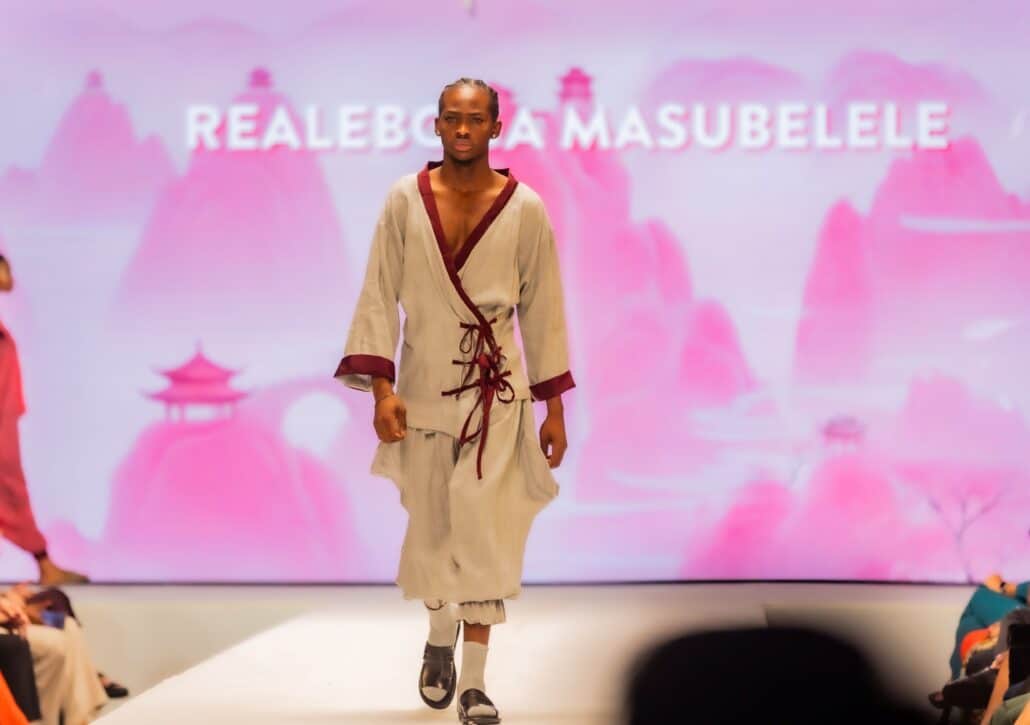


Sustainability Takes the Runway at Worn & Reborn 2025
1. Higher Certificate: DECON/STRUCT – Upcycled Denim Innovation
In collaboration with Levi’s Africa and Clothes Too Good, students transformed pre-loved denim and men’s shirts into sculptural streetwear silhouettes.
Each look incorporated 60–70% upcycled denim, proving that sustainable fashion can be bold, futuristic and commercially viable.
2. BA Fashion Design (2nd Year): Outdoor Luxe x Sealand
In another standout collaboration, second-year students worked with Sealand, the Cape Town brand known for sustainability and craftsmanship.
Students created capsule collections under the theme “Outdoor Luxe”, using production offcuts and faulty garments supplied by Sealand. The result was a blend of luxury, functionality and contemporary outdoor style—perfect for glamping, travel and modern adventure fashion.
3. BA Fashion Design (1st Year): Chaos vs Order
First-year students explored structure versus spontaneity through asymmetry, layering and dynamic silhouettes. The work demonstrated strong conceptual thinking from new designers already exploring sustainability-driven creativity.
4. Diploma (2nd Year): Soft Tailoring Meets Denim City Dressing
This collection merged refined tailoring with an all-denim, urban aesthetic—showcasing how denim can be reworked into sophisticated, modern pieces while reducing textile waste.
5. Final-Year Collections: Creativity Meets Market Strategy
Third-year BA and Diploma students revealed their final three-look collections—the culmination of years of study. Each look embodied:
- A defined concept
- Market relevance
- Research-driven inspiration
- Innovative construction
- Cultural identity
- Sustainability-conscious design
These collections demonstrated why STADIO is producing some of South Africa’s most industry-ready young designers.
Sustainable Thinking Beyond the Catwalk
Sustainability at STADIO isn’t limited to runway-ready garments—it’s embedded in the entire learning journey.
“By the time students graduate, they understand the full production cycle and the importance of minimising waste,” says Steenkamp.
Students work with:
- Offcuts and scraps
- Reused and recycled textiles
- Repurposed materials (even shopping bags)
- Local CMT manufacturers for ethical, hands-on production experience
This ensures graduates understand how to create responsibly while supporting local businesses and reducing environmental impact.
Preparing South Africa’s Next Wave of Fashion Leaders
For Steenkamp, circular design is not optional—it’s the foundation.
“Circular design isn’t an add-on for us – it’s the lens through which we teach fashion.”
STADIO graduates leave equipped to:
Create with conscience
Innovate responsibly
Respond to global sustainability demands
Work with local manufacturers
Build strong design identities
Compete in South Africa’s creative economy and beyond
Worn & Reborn 2025 proves that the future of fashion is circular—and South Africa’s young designers are already leading the movement.
(FQA) STADIO’s fashion students – shaping a circular future
1. What is circular fashion and why is STADIO focusing on it?
Circular fashion is a sustainable design approach that keeps materials in use for as long as possible through reuse, recycling, repurposing and thoughtful production. STADIO School of Fashion integrates circularity to reduce waste and train designers to think sustainably from concept to construction.
2. What was the purpose of the Worn & Reborn 2025 showcase?
The Worn & Reborn event highlighted STADIO’s commitment to sustainability by presenting student collections created using upcycling, offcuts and repurposed materials. It celebrated 30 years of fashion education and showcased how circular design is embedded in the curriculum.
3. Which brands collaborated with STADIO for the 2025 showcase?
Students partnered with Levi’s Africa, Clothes Too Good, and Cape Town sustainability brand Sealand. These collaborations exposed students to real-world circular design, ethical production and sustainable innovation.
4. How are STADIO students trained to design sustainably?
Students are taught to upcycle, repurpose materials, use production offcuts, apply ethical manufacturing methods, and think critically about waste. Sustainability is incorporated across all programmes—from Higher Certificate to BA Fashion Design.
5. What collections were featured at the STADIO Worn & Reborn showcase?
The showcase included:
- DECON/STRUCT (Higher Certificate students) – upcycled denim streetwear.
- Outdoor Luxe (2nd-year BA students x Sealand) – high-end outdoor fashion using offcuts and faulty garments.
- Chaos vs Order (1st-year BA) – experimental asymmetry and texture play.
- Soft Tailoring Meets Denim City Dressing (Diploma students) – refined tailoring in all-denim looks.
- Final Collections (3rd-year BA & Diploma students) – three-look collections based on research, trends and cultural identity.
6. Why is sustainability important in fashion education in South Africa?
South Africa’s fashion sector is influenced by rising textile waste, fast fashion imports and environmental pressures. Training designers to adopt circular methods prepares them to build a more responsible, competitive and future-ready local industry.
7. How does STADIO connect students with ethical, local production?
Students gain practical experience through partnerships with local CMT (Cut, Make, Trim) manufacturers. This exposure encourages ethical labour practices, supports South African businesses and reduces the carbon footprint associated with outsourcing.
8. How does the STADIO curriculum prepare fashion graduates for the industry?
By the third year, students are able to design market-ready, conceptual, sustainable collections aligned with trends, consumer needs and industry standards. They develop both creative identity and strategic thinking, making them employable and industry-ready.
9. What makes STADIO’s approach to sustainability unique?
Sustainability is not an optional module — it is the core lens through which all fashion design is taught. Students consistently use recycled materials, repurpose waste, collaborate with sustainable brands and apply circular principles throughout their studies.
10. How does the Worn & Reborn showcase benefit students?
The showcase gives students real-world runway experience, industry visibility, collaboration opportunities, portfolio development and hands-on practice with circular design. It helps graduating students stand out in South Africa’s competitive creative economy.
