
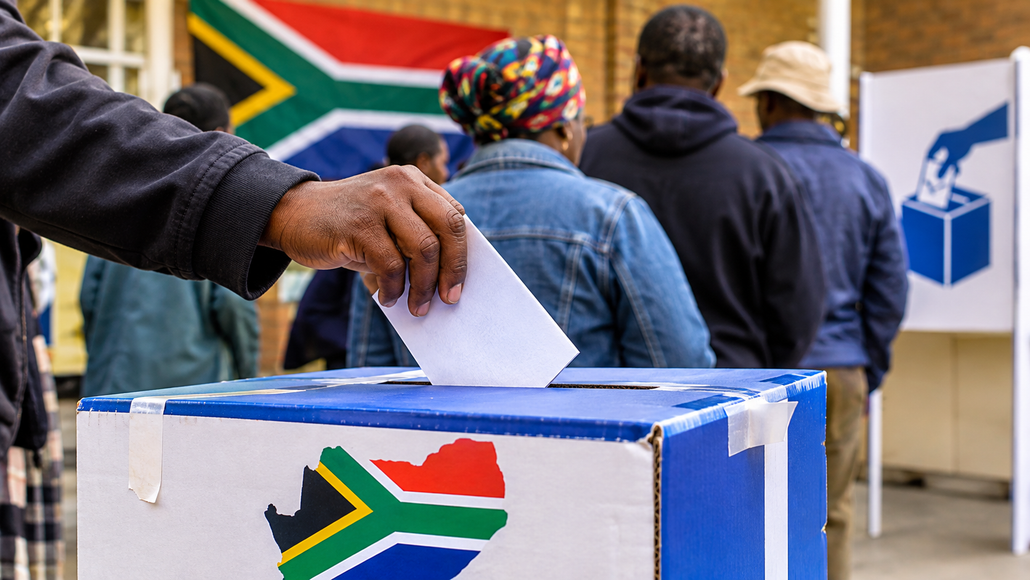
South Africa’s 2026 local government elections saw 101 naturalised citizens contest seats across the country’s nine provinces, according to an official written response from the Department of Home Affairs. Gauteng recorded the highest number of candidates, followed by the Western Cape and KwaZulu-Natal.
The figures were released in Parliament on 16 October 2026, ahead of the local government elections held on 4 November. The disclosure has also raised questions about how many of the 101 candidates went on to secure positions in municipal councils.
Home Affairs Confirms 101 Naturalised Citizens Contested the 2026 Elections
The Department of Home Affairs confirmed that 101 naturalised South African citizens were standing as candidates in the 2026 Local Government Elections.
The information was provided in response to Parliamentary Question 5647, published in National Assembly Internal Question Paper 35 on Friday, 16 October 2026.
The question was submitted by African Transformation Movement (ATM) Member of Parliament Ms T L Marawu, who asked the Minister of Home Affairs for the total number of naturalised citizens contesting the elections in each province.
The written response, referenced NW6104E, confirmed that 101 naturalised citizens were standing for election across all nine provinces.
The response provided a provincial breakdown but did not identify individual candidates, their political party affiliations or the municipalities in which they were contesting seats.
Provincial Breakdown of Naturalised Candidates in South Africa
Gauteng had the highest number of naturalised citizens contesting the 2026 local government elections, with 28 candidates. The Western Cape followed with 17, while KwaZulu-Natal recorded 15.
The Eastern Cape had 13 candidates, while Mpumalanga recorded nine and Limpopo had eight. North West had six, the Free State had four and the Northern Cape recorded the lowest number, with one candidate.
The Department of Home Affairs provided the following provincial figures:
| Province | Naturalised citizen candidates |
|---|---|
| Gauteng | 28 |
| Western Cape | 17 |
| KwaZulu-Natal | 15 |
| Eastern Cape | 13 |
| Mpumalanga | 9 |
| Limpopo | 8 |
| North West | 6 |
| Free State | 4 |
| Northern Cape | 1 |
| Total | 101 |
The figures show that Gauteng alone accounted for more than a quarter of the 101 candidates. Together, Gauteng and the Western Cape recorded 45 candidates, making them the two provinces with the highest numbers.
The Northern Cape had the smallest representation, with just one naturalised citizen standing in the elections.
Vuyo Zungula Questions How Many Naturalised Candidates Won Seats
The disclosure also became part of a wider political discussion after ATM leader Vuyo Zungula raised questions about the number of naturalised citizens who would ultimately secure positions in local government.
The key question is no longer only how many naturalised citizens contested the elections, but how many were successful and whether they will prioritise the interests and needs of the communities they represent.
The issue generated divided reactions, with some South Africans questioning the role of naturalised citizens in political leadership and others arguing that citizens who have legally obtained South African citizenship should be able to participate in the country’s democratic processes.
However, the number of candidates alone does not establish how many won seats, which parties they represented or how they performed in their respective municipalities.
Can Naturalised South African Citizens Become Municipal Councillors?
Naturalised citizens are people who have acquired South African citizenship through the legal naturalisation process.
South African citizenship carries constitutional rights and responsibilities. The Constitution’s provisions on municipal councils set out who may become a council member, including the requirement that a person must be a South African citizen qualified to vote in municipal elections, subject to the applicable legal disqualifications.
This means that naturalised South African citizens are not automatically excluded from contesting municipal elections simply because they were born outside the country.
The distinction is between citizenship status and the legal requirements for holding public office. Candidates must still meet the relevant eligibility requirements and comply with the laws governing municipal elections.
How Many of the 101 Naturalised Citizens Were Elected?
The Department of Home Affairs’ response confirmed how many naturalised citizens stood as candidates, but it did not provide a breakdown of how many were elected.
The Electoral Commission of South Africa (IEC) declared the 2026 Local Government Elections results on 8 November 2026, with all 213 municipal councils finalised and declared.
However, the published election results do not provide a separate national breakdown identifying elected councillors according to whether they obtained South African citizenship through birth or naturalisation.
As a result, the exact number of successful candidates among the 101 naturalised citizens cannot be established from the Home Affairs response alone.
A candidate contesting an election is also not the same as a candidate winning a council seat. The 101 figure represents participation in the elections, not the number of naturalised citizens who became municipal councillors.
What the 101 Naturalised Candidates Mean for South African Local Government
The disclosure provides a snapshot of naturalised citizens’ participation in South Africa’s local democratic process.
With 101 candidates recorded across the nine provinces, the figures offer a clearer picture of the scale of their participation in the 2026 elections. Gauteng had the largest number, while the Northern Cape had the smallest.
The political debate surrounding the figures also highlights broader questions about citizenship, representation and accountability in local government.
Ultimately, municipal councillors are elected to represent the communities they serve. Their responsibilities include participating in council decisions, overseeing municipal governance and representing residents’ interests, regardless of their personal background.
The unanswered question remains how many of the 101 naturalised citizens secured council seats after the 4 November elections.
Frequently Asked Questions
How many naturalised citizens contested South Africa’s 2026 local elections?
A total of 101 naturalised South African citizens contested the 2026 Local Government Elections, according to the Department of Home Affairs.
Which province had the most naturalised election candidates?
Gauteng had the highest number, with 28 naturalised citizens standing as candidates.
How many naturalised candidates were in the Western Cape?
The Western Cape recorded 17 naturalised citizen candidates.
Which province had the fewest naturalised candidates?
The Northern Cape recorded the lowest number, with one naturalised citizen candidate.
Who submitted Parliamentary Question 5647?
The question was submitted by Ms T L Marawu of the African Transformation Movement (ATM) to the Minister of Home Affairs.
Can naturalised citizens become municipal councillors in South Africa?
Yes. Naturalised South African citizens may qualify to become municipal councillors, provided they meet the constitutional and legal requirements for election.
How many of the 101 naturalised candidates won council seats?
The Department of Home Affairs’ written response did not state how many candidates were elected. The published election results do not provide a separate breakdown based on naturalisation status.
Conclusion
The Department of Home Affairs confirmed that 101 naturalised citizens contested South Africa’s 2026 Local Government Elections, with Gauteng leading the provincial breakdown at 28 candidates.
While the figures have sparked discussion about citizenship and political representation, they do not reveal how many of the candidates ultimately won seats.
For now, the official response answers how many naturalised citizens stood for election, but the question of how many became municipal councillors remains unanswered.


