

The Icon Lives On: PUMA Brings the Suede’s Legacy to Paris Fashion Week
PUMA Brings the Suede’s Legacy to Paris Fashion Week
Cape Town, South Africa — 22 January 2025
Global sportswear brand PUMA has made a powerful statement at Paris Fashion Week with the unveiling of the Suede House, an immersive experience celebrating the enduring legacy of one of its most iconic sneakers — the PUMA Suede.
From basketball courts and global stages to skate parks and city streets, the PUMA Suede has long stood as a symbol of self-expression, culture, and timeless style. At Paris Fashion Week, its story comes together in one dynamic space, highlighting how a single silhouette shaped generations.
Inside the PUMA Suede House Experience
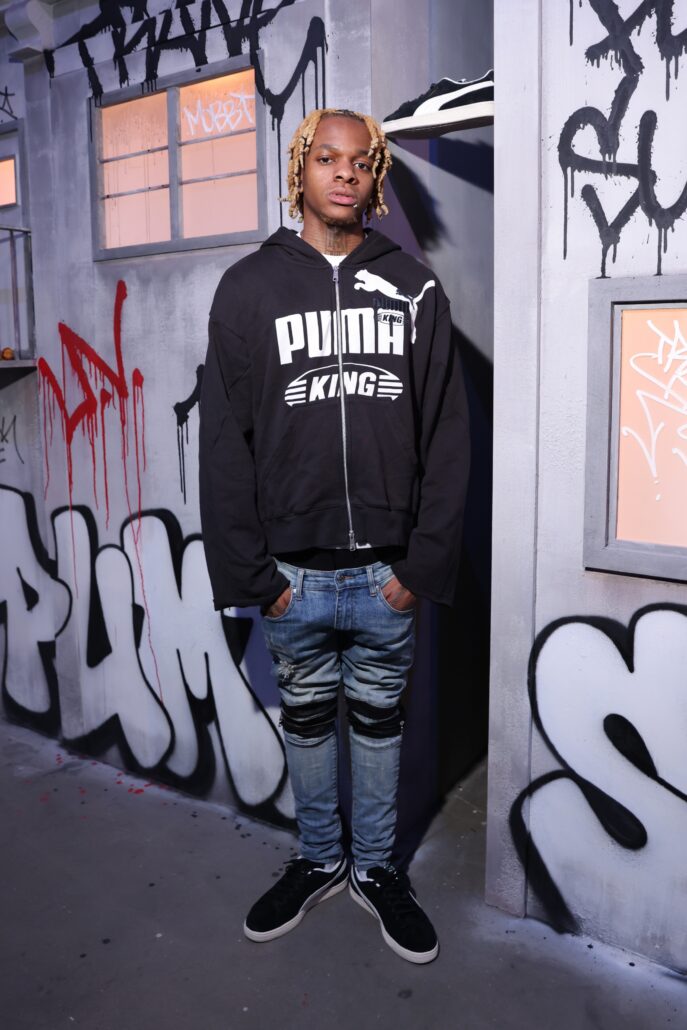
The Suede House brings together the past, present, and future of the sneaker through a series of concept-driven, immersive environments. Each space reflects the subcultures that helped define the Suede’s identity over the decades.
Dedicated rooms explore:
- Basketball culture, where the silhouette gained early sporting credibility
- 1990s street and skateboarding culture, where the Suede became a lifestyle staple
- Street culture and music, where the shoe evolved into a global icon
These environments feature multimedia installations, curated displays, and archival storytelling, creating an experience that goes beyond fashion into cultural history.






From 1968 to the Future: The Evolution of the Suede
A standout feature of the Suede House is a special exhibition of archival models, guiding visitors through pivotal moments in the Suede’s journey — from 1968 to 2026 and beyond.
The exhibition highlights how the silhouette has continuously evolved while remaining true to its roots, reinforcing why the Suede remains one of PUMA’s most influential designs.
“This season, we are standing behind the Suede as a PUMA icon and a shoe that has added so much richness to the brand. This is a moment to celebrate the Suede’s past and future, introducing it to a new generation,”
— Christina Mirabelli, Global Marketing Director, PUMA Sportstyle
Creative Collaborations and Cultural Extensions
The experience is shaped by collaborators including Samutaro, Welcome, and 114 Index, alongside additional artists and partners who bring their own creative interpretations of the Suede throughout the space.
Beyond the venue, PUMA has extended the Suede experience into the city of Paris, partnering with select cafés such as Grave and Bigshot, ensuring the sneaker’s presence is felt across key cultural hotspots during Paris Fashion Week.
An invite-only preview opened the Suede House to industry insiders before welcoming the public throughout the week.
PUMA Suede House Location
PUMA Suede House
7 Rue Froissart, 75003, Paris
About the PUMA Suede: One Shoe, Many Names
Few sneakers carry a legacy as rich as the PUMA Suede.
Originally launched in 1968 as The Crack for the Olympic Games in Mexico City, the shoe famously appeared on the podium when track and field athlete Tommie Smith raised it during a historic moment in sports history.
In 1973, basketball legend Walt Frazier redefined the silhouette, creating the Clyde, which dominated NBA courts. As the design evolved, it became known as the Suede, named after its signature upper material.
The sneaker was later embraced by:
- New York City B-boys and hip-hop culture
- Skateboarders and street communities
- UK youth culture in the 1980s, where it earned the name States
Thanks to this layered history across sport, music, and street culture, the PUMA Suede is widely recognized today as a true footwear icon.
By bringing the Suede House to Paris Fashion Week, PUMA reaffirms the Suede’s place not only in sneaker history, but in global culture. The experience honors where the shoe has been — while confidently pointing toward where it’s going next.
Frequently Asked Questions (FAQ)
What is the PUMA Suede House at Paris Fashion Week?
The PUMA Suede House is an immersive experience launched at Paris Fashion Week, celebrating the legacy of the iconic PUMA Suede sneaker. It showcases the shoe’s past, present, and future through archive displays, multimedia installations, and cultural storytelling.
Where is the PUMA Suede House located?
The PUMA Suede House is located at:
7 Rue Froissart, 75003, Paris, in the heart of the city’s creative district.
Why is the PUMA Suede considered an iconic sneaker?
The PUMA Suede is considered iconic due to its deep roots in sports, street culture, music, and fashion. First launched in 1968, it has been worn by Olympic athletes, NBA legends, hip-hop pioneers, skateboarders, and global style influencers.
When was the PUMA Suede first released?
The PUMA Suede was originally released in 1968 under the name The Crack, created for the Olympic Games in Mexico City. It later evolved into the Clyde and eventually became known as the Suede.
Who made the PUMA Suede famous in basketball?
NBA legend Walt Frazier helped popularize the silhouette in the 1970s by creating his own version, known as the PUMA Clyde, which became one of basketball’s most stylish shoes.
Which cultures influenced the PUMA Suede’s popularity?
The PUMA Suede has been shaped by multiple cultures, including:
- Basketball culture
- Hip-hop and B-boy culture
- Skateboarding communities
- UK street and terrace culture
These influences helped transform the Suede into a global lifestyle sneaker.
Is the PUMA Suede House open to the public?
Yes. After an invite-only preview for industry insiders, the PUMA Suede House opened to the public throughout Paris Fashion Week.
Who are the collaborators involved in the Suede House experience?
Creative collaborators include Samutaro, Welcome, and 114 Index, alongside additional artists and partners who contributed unique interpretations of the PUMA Suede.
Why did PUMA showcase the Suede at Paris Fashion Week?
PUMA chose Paris Fashion Week to highlight the Suede’s cultural relevance, global influence, and timeless design — positioning it for a new generation of consumers while honoring its legacy.
What makes the PUMA Suede relevant today?
The PUMA Suede remains relevant due to its timeless design, cultural authenticity, and adaptability across fashion, streetwear, and lifestyle trends.
