

Oil Prices Push Fuel Inflation: How a 25bps Rate Hike Will Hit Your Pocket in May 2026
Oil Prices Push Fuel Inflation
Global oil prices are surging due to Middle East tensions, pushing up fuel and food costs in South Africa. Traders now expect a 25bps interest rate hike from the SARB this month. Here’s what it means for your wallet.
Reading Time: 4 minutes
A Tough Month Ahead for Borrowers
JOHANNESBURG – Just as South Africans hoped for relief, a new economic storm is brewing. Between the ongoing conflict in the Middle East and rising global oil prices, consumers are facing a double whammy: more expensive fuel and higher borrowing costs.
Traders and economists are now unanimously betting that the South African Reserve Bank (SARB) will implement a quarter-percentage-point (25 basis points) interest rate hike later this month. For millions of indebted South Africans—from homeowners with bonds to citizens using credit cards—this is bad news.
But why is the SARB being forced to act? The answer lies in the price of crude oil and a complex economic chain reaction known as the “second-round effect.”
Push Fuel Inflation
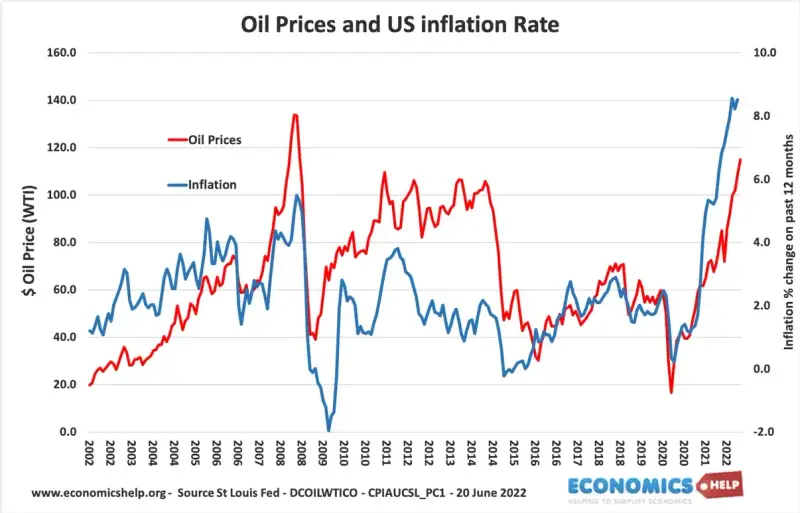

The Trigger: Why Oil Prices Are Rising Again
Global oil prices have climbed sharply in recent weeks, directly driven by escalating tensions in the Middle East.
| Driver | Impact on Oil Price |
|---|---|
| Geopolitical conflict | Supply disruption fears |
| Production cuts | Reduced global inventory |
| Transport premiums | Higher shipping insurance costs |
Key Insight: When oil gets expensive, everything that needs to be moved—food, clothes, appliances—gets expensive too.
South Africa is a net importer of oil. We do not produce enough crude to meet local demand. Therefore, when global oil prices rise, the price at the pump follows almost immediately.
Push Fuel Inflation
The Domino Effect: From Oil to Inflation
The SARB has always been vocal about one specific risk: second-round inflation effects.
Here is how the dominoes fall:
- Oil prices increase → 2. Petrol and diesel prices rise → 3. Transport and logistics companies raise their fees → 4. Retailers pass these costs to consumers → 5. Wage demands increase (workers want more pay) → 6. Businesses raise prices further to cover wages.
This creates a self-feeding loop of inflation that is very hard to break.
Recent Economic Indicators
According to recent data:
- Cost of living (CPI) rose to 3.1% in March (up from previous months)
- Food prices are showing signs of acceleration due to transport costs
- Global oil benchmarks are hovering near three-month highs
The SARB’s Dilemma: Hike or Hold?
The South African Reserve Bank finds itself in a difficult position.
The Bank’s official stance:
“While we cannot control the current price shock, we remain committed to bringing inflation back to its 3% target.”
Currently, inflation is at 3.1%—technically within the SARB’s target range of 3% to 6%. However, the forward-looking risk is what worries the Monetary Policy Committee (MPC).
Why Hike Rates if Inflation is Still Low?
The SARB is a “hawkish” bank. It prefers to act before inflation gets out of hand.
- If they do nothing: Oil prices could push inflation to 5% or 6% by year-end.
- If they hike now (25bps): They cool down demand and signal to the market that they are serious about price stability.
Traders are now convinced that the repo rate will increase by 25 basis points when the MPC meets later in May 2026.
How This Affects South African Consumers (Direct Impact)
If the SARB hikes by 25bps, here is exactly how your monthly budget changes:
1. Home Loan (Bond) Payments
| Bond Size | Approximate Monthly Increase |
|---|---|
| R1,000,000 | +R170 – R190 |
| R1,500,000 | +R255 – R285 |
| R2,000,000 | +R340 – R380 |
2. Vehicle Finance
| Vehicle Loan | Approximate Monthly Increase |
|---|---|
| R250,000 | +R50 – R70 |
| R400,000 | +R80 – R110 |
3. Credit Cards & Overdrafts
Interest rates on credit cards are directly linked to the prime rate. Your minimum monthly repayment will increase proportionally.
4. Fuel & Transport
While the interest rate hike addresses borrowing costs, fuel prices are rising regardless. Expect another petrol price increase in the first week of June.
What Economists Are Saying
Local analysts are watching two specific numbers:
- The Core Inflation Rate (excluding food and energy)
- Consumer inflation expectations (survey data)
Trader consensus: “The bets are on. A 25bps hike is priced in. The only question is whether the SARB signals more hikes to come.”
Historical Context: How South Africa Has Handled Oil Shocks
| Period | Event | SARB Response |
|---|---|---|
| 2008 | Global financial crisis + oil spike | Aggressive hiking cycle |
| 2013 | Rand crash | Rate hikes |
| 2022 | Post-COVID inflation + Ukraine war | Stealth hiking (cumulative 475bps) |
| 2026 | Middle East tensions | Expected 25bps hike |
What Can Consumers Do Right Now?
With a rate hike likely and fuel inflation rising, here are three defensive moves:
- Fix your bond rate? – If you are on a variable rate, speak to your bank about switching to a fixed rate for 12–24 months.
- Budget for R300–R500 extra – Set aside this amount to cover combined fuel + interest increases.
- Pay down expensive debt – Credit card interest (over 20%) will hurt the most if rates rise.
Final Word: Brace for Impact
The combination of geopolitical oil shocks and local monetary tightening means South African households are entering a difficult quarter.
While the SARB cannot control the war in the Middle East, it can control how much it costs to borrow money. For now, the Bank’s priority is clear: stop the second-round inflation effects before they become entrenched.
For consumers:
- Expect fuel to cost more in June.
- Expect your bond and car repayments to increase in May/June.
- Expect food inflation to stay sticky.
The 25bps hike is not priced in for fun—it is priced in because the data demands it.
Frequently Asked Questions
When will the SARB announce the interest rate decision?
The Monetary Policy Committee (MPC) meeting is scheduled for later this month (May 2026). The announcement will be made on a Thursday following the meeting.
How much will petrol increase in June 2026?
While final numbers depend on the rand/dollar exchange rate and oil prices in the coming weeks, early estimates suggest a significant increase due to Middle East tensions.
What is the SARB’s inflation target?
The SARB aims for inflation to be at 3% (the midpoint of the 3%–6% target range). Currently, inflation is at 3.1%, but rising oil prices threaten to push it higher.
What are “second-round effects” of oil price hikes?
Higher oil prices lead to higher transport costs, which lead to higher food prices, which lead to wage demands, which lead to further price increases. This is the second-round effect.
Disclaimer: This article is for informational purposes only and does not constitute financial advice. Interest rate decisions are made by the SARB MPC and are subject to change based on economic data.
