
Scorpion Kings Live Sells Out Africa’s Largest Stadium
Last updated: 20 September 2026
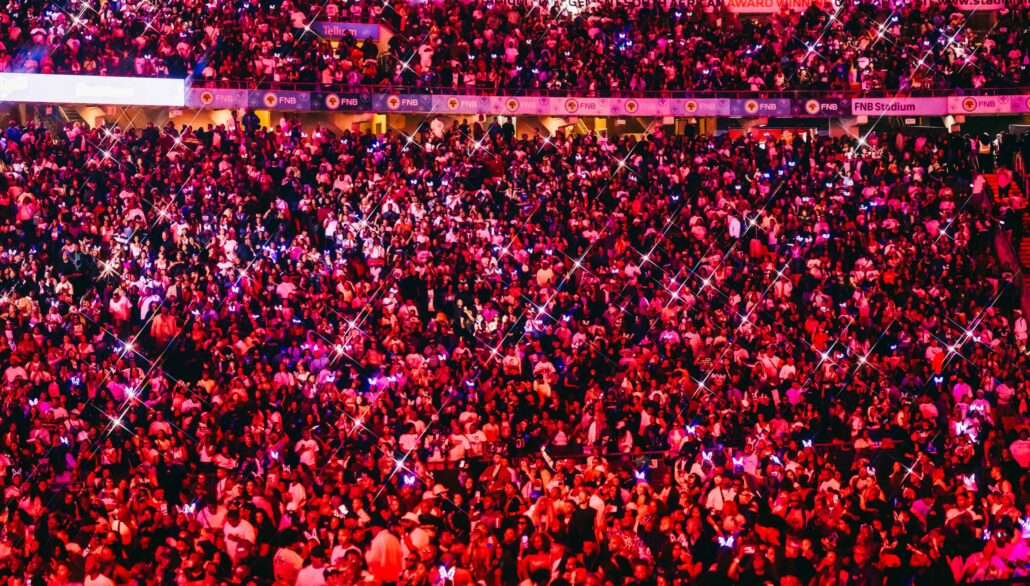
FNB Stadium belonged to South African music on Saturday night.
DJ Maphorisa and Kabza De Small — the Scorpion Kings — headlined a sold-out Scorpion Kings Live on 19 September 2026, drawing over 70,000 fans to Africa’s largest stadium for a full day of music, food, fashion and fireworks. What made the night different wasn’t simply the size of the venue — it was the number of worlds that came together inside it.




The Night in Numbers
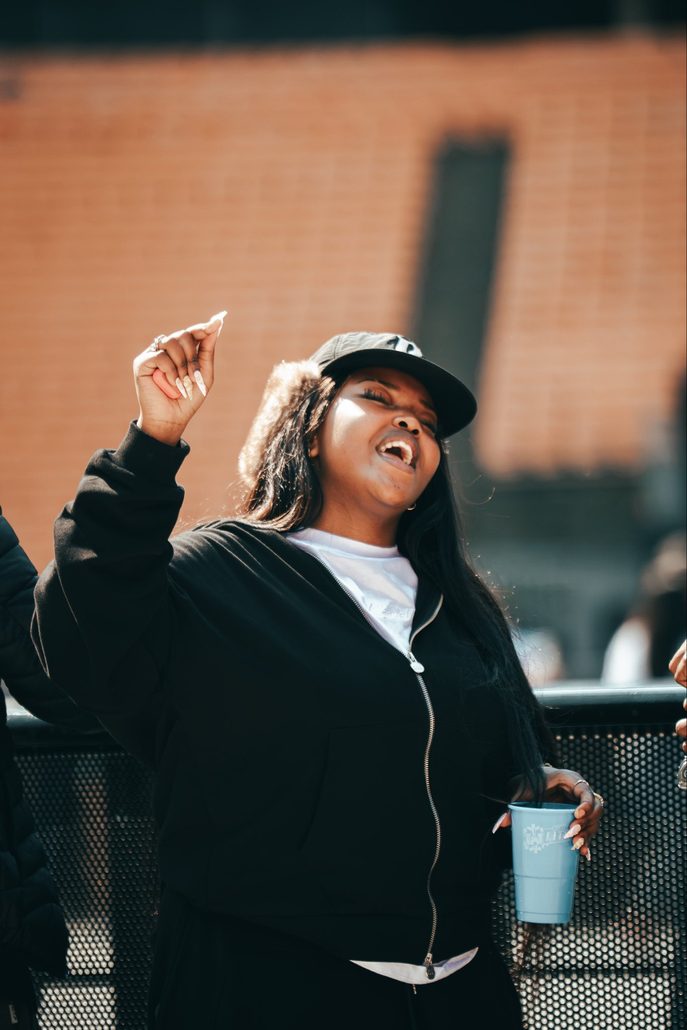
Fans praised smooth logistics throughout the event: safe transport, clean facilities, and top-notch sound, with many sharing footage of safe rides home afterward. Public figures including Cassper Nyovest and Black Coffee publicly celebrated what both called a historic night for South African music.
Not everything landed perfectly — some fans noted lighter crowds during the earlier acts, and one politician in attendance received light boos from the crowd. By the end of the night, DJ Maphorisa was already looking ahead, asking fans directly whether they want an encore next year.
A-Reece. Nasty C. Daliwonga. Focalistic. Kamo Mphela. Young Stunna.
More than 50 artists were announced across the main programme, while the pre-show expanded the musical journey further with hip-hop, Amapiano, Bacardi and Maskandi showcases. This was bigger than a concert — it was a snapshot of South African music in 2026.
From the Township to FNB Stadium
Amapiano’s journey is often told through its biggest names, but the story starts much smaller. The genre grew through township parties, local clubs, home studios, and producers exchanging ideas as songs travelled through WhatsApp and social media before eventually becoming one of Africa’s most recognisable sounds.
That history wasn’t lost when the Scorpion Kings arrived at FNB Stadium — it was central to the story. Speaking before the show, Kabza De Small said the challenge was scaling Amapiano to a stadium without losing the feeling that came from the smaller spaces where the music was born. DJ Maphorisa made a similar point: the technology and production could become bigger, but the DNA of Amapiano couldn’t disappear.

The Scorpion Kings Have Entered Another Chapter
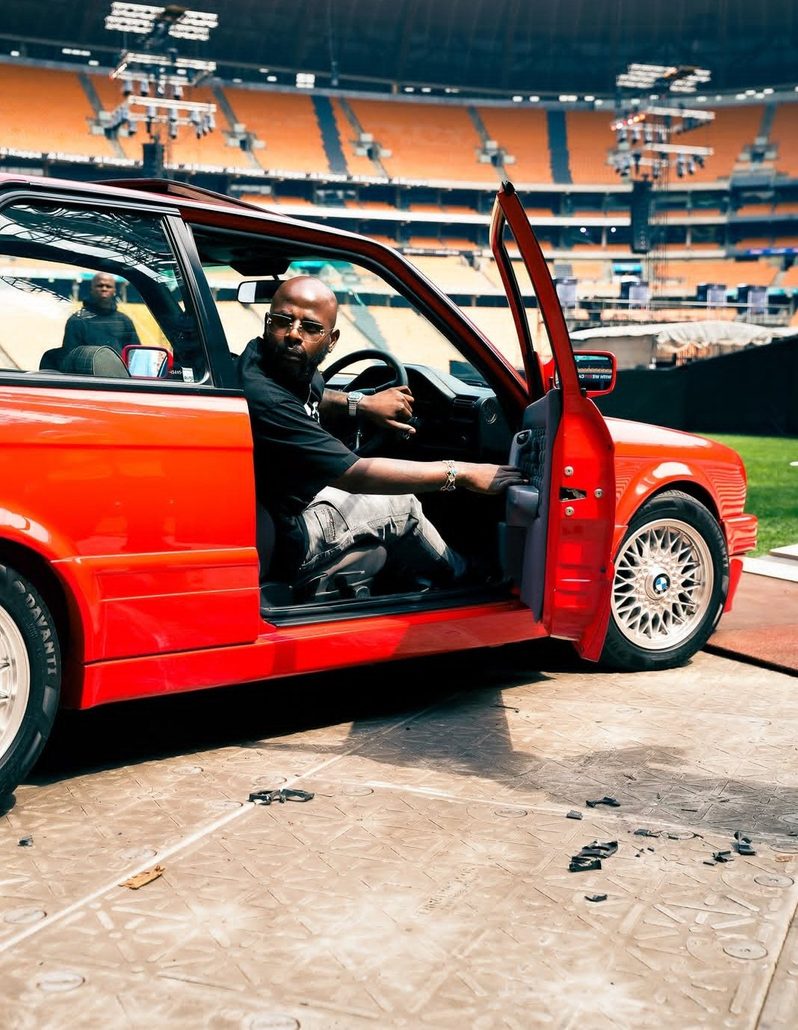
For DJ Maphorisa and Kabza De Small, FNB Stadium represented another step in an already remarkable live-show journey. The Scorpion Kings first took their live concept to Sun Arena in 2022, followed by the major Scorpion Kings Live with Friends show at Loftus Versfeld in 2025.
More than 70,000 fans attended the Johannesburg show, making it one of the largest live Amapiano events the duo has staged. DJ Maphorisa admitted before the show that the scale came with excitement and nerves: “We’re excited, we’re nervous,” he said ahead of the event, promising more music, more energy and a bigger experience than the previous show.
Kabza De Small: The King of Amapiano
It’s impossible to tell the Scorpion Kings story without starting with Kabza De Small. Kabelo Motha’s production has been central to the development of modern Amapiano, with Piano Hub becoming an important part of the culture around the genre. His influence extends beyond individual records — Kabza helped establish a production language: deep log drums, melodies, repetitive grooves, atmosphere, the space between the vocals.
The official Scorpion Kings profile describes Kabza as the producer who helped take a township sound to a global audience, with projects such as KOA II and his Red Bull Symphonic work forming part of that wider story. At FNB Stadium, that journey became physical — thousands of people were standing inside one of South Africa’s biggest venues because of a sound that grew from communities far smaller than the stadium itself.
DJ Maphorisa: The Architect Connecting the Worlds
Then there’s DJ Maphorisa. Themba Sekowe’s career stretches across South African house, hip-hop, Afrobeats, Amapiano and African pop — a history that explains why the Scorpion Kings’ shows have never felt like a single-genre event. Maphorisa is a connector, able to move between sounds, artists and audiences while keeping the South African identity at the centre.
The official Scorpion Kings profile credits him as a producer and global hitmaker behind records including “Y-Tjukutja,” “Khona” and “Particula,” alongside his work across African pop, Afrobeats and Amapiano. That broad musical background was reflected directly in the FNB Stadium lineup.
Hip-Hop Meets Amapiano
A-Reece brought bars into a show heavily associated with Amapiano — and that’s exactly why his presence mattered. He represents a generation of South African hip-hop that developed alongside the rise of Amapiano, two cultures that have often crossed paths through collaborations, audiences and sound.
Nasty C brought another major hip-hop presence to the stadium. The Durban-born rapper has built an international profile while remaining one of the most recognisable names in South African hip-hop — his appearance placed one of the country’s biggest rap artists alongside the leading names of Amapiano, a sign the genres are no longer living in completely separate rooms.
Blxckie added a further contemporary hip-hop voice, creating an interesting cross-section of South African rap across generations sharing the same stadium.
The Voices and the Movement
Daliwonga represented one of the most recognisable vocal identities in modern Amapiano, sitting at the intersection of the producer-driven and vocal-driven sides of the genre. Focalistic brought the streets to the stadium — his “President Ya Straata” identity connects directly to the relationship between Pretoria street culture, hip-hop and Amapiano.
Kamo Mphela represented the side of the culture that can’t be separated from dance — the dancers and performers who turned Amapiano records into visual moments that travelled across social media and international audiences. Young Stunna and Toss represented the newer generation, creating a visible connection between the people who helped establish the movement and the artists continuing to reshape it.
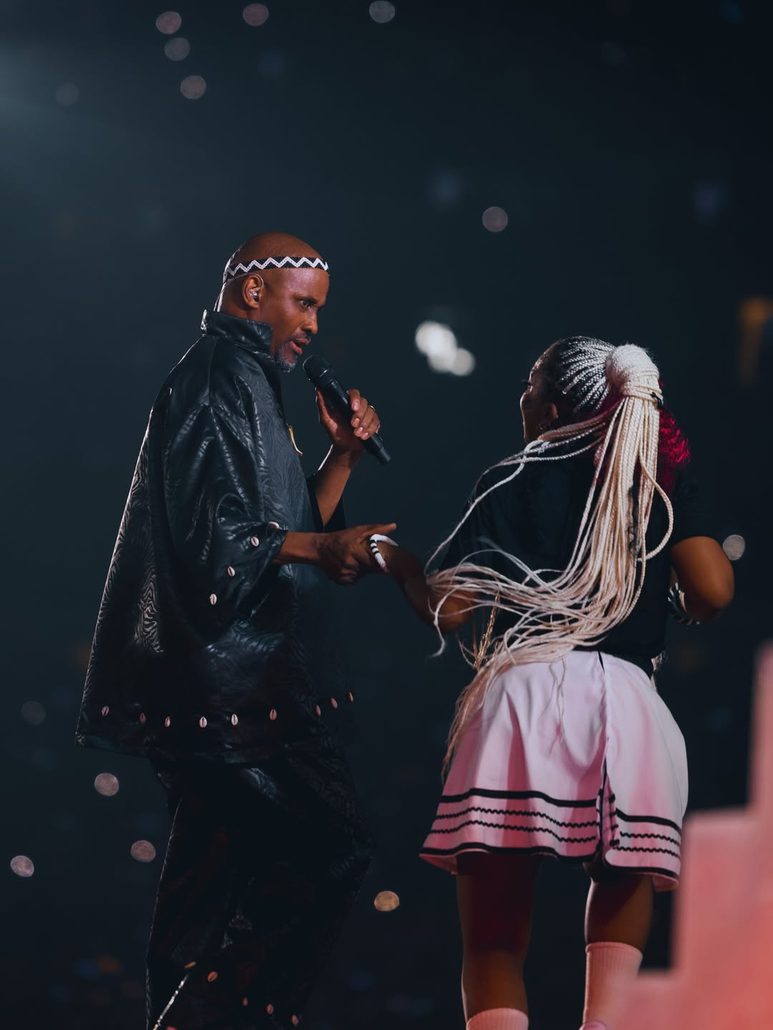
Mlindo The Vocalist brought a soulful, melodic dimension to an event that could easily have been dominated by high-energy dance records, while Ringo Madlingozi provided one of the night’s most powerful moments — his presence alongside Daliwonga, Young Stunna, Nasty C and Focalistic let the audience see several generations of South African music occupying the same space.
Msaki, Ami Faku and Nkosazana Daughter each represented different sides of contemporary South African vocal music, challenging the idea that a stadium Amapiano event has to be built entirely around DJs and male vocalists.
The Producers and the Architects
Busiswa and Lady Du brought their own histories into the Scorpion Kings world — Busiswa’s career has moved through house, Gqom, hip-hop and Amapiano, while Lady Du became closely associated with the genre’s rise. Names like Mr JazziQ, Busta 929, Semi Tee and Njelic represented different chapters in the development of Amapiano’s production culture, while Pcee, Tman Xpress, LeeMckrazy, Scotts Maphuma and Xduppy carried the newer generation constantly reshaping the genre’s sound.
The Pre-Show Was a Festival by Itself
The main lineup only tells half the story. The pre-show featured A-Reece, Dlala Thukzin, Dark Horse, Venom, Sam Deep, Stixx, Mdu aka TRP, Jnr SA, Natiey Lepaka, Wendy Moon, Shandesh and Ba Bethe Gashoazen, alongside a dedicated Bacardi showcase and Maskandi showcase — a deliberate decision that meant the event never pretended South African music has only one sound.
Hosts and Culture Beyond the Stage
Bontle Modiselle and Robot Boii served as official hosts, with Baba Mthethwa as Chief Commentator, bringing together dance, entertainment, youth culture and South African commentary. Official partnerships including GalxBoy, Gautrain, Sprite, Castle Lite, McCafé and RocoMamas extended the experience into fashion, transport, food and brand activations — a reminder that Amapiano has grown into a full lifestyle culture, not just a sound.
FNB Stadium Was the Statement
FNB Stadium is not an intimate club — it’s one of South Africa’s most recognisable stadiums, and Amapiano was born in spaces dramatically smaller. That contrast is the story. The Scorpion Kings didn’t take Amapiano out of its origins to put it inside FNB Stadium; they took the energy of those origins with them. As Kabza De Small put it before the show, the venue could become bigger, but the feeling had to remain connected to the communities where the music began.
A Family Affair Was Bigger Than Kabza and Maphorisa
The event’s subtitle — A Family Affair — makes more sense against the full lineup. Maphorisa spoke about the wider economy surrounding Amapiano: producers, songwriters, vocalists, dancers, DJs, engineers, photographers, videographers, stage crews and promoters. Kabza described the studio process as fundamentally collective — one person creates a beat, another adds vocals, another contributes a melody. The stadium was celebrating more than its two headline artists; it was celebrating everyone around the sound.
The Global Conversation Around Amapiano
Amapiano is now an international sound, but its success has raised bigger questions around ownership, publishing, catalogue rights, and who benefits when African music becomes globally valuable. DJ Maphorisa has argued that international partnerships should happen without African artists losing creative control or ownership of the culture they built — global distribution can expand the audience while African creators remain owners and decision-makers in their own culture.
Looking ahead, Maphorisa said the next frontier isn’t necessarily an even larger stadium — it’s infrastructure: more studios, more labels, more opportunities, more artists understanding publishing and rights, more businesses owned by African creatives. Kabza spoke about legacy in similar terms, hoping the next generation can look back and see that doors were opened for them.
Black Child, It’s Possible
There was a moment in the night that felt bigger than the music. Music that grew from South African communities became capable of filling FNB Stadium. A sound that once travelled through small rooms and WhatsApp groups now commands global attention. Producers have become headline acts. Dancers have become stars. Township language has become part of global pop culture. South African music is increasingly being consumed around the world without having to hide where it came from.
Frequently Asked Questions
Was Scorpion Kings Live 2026 sold out? Yes — the 19 September show at FNB Stadium sold out, drawing over 70,000 fans.
Who performed at Scorpion Kings Live 2026? DJ Maphorisa and Kabza De Small headlined, joined by over 50 artists including A-Reece, Nasty C, Daliwonga, Focalistic, Kamo Mphela, Young Stunna, Toss, Mlindo The Vocalist, Msaki, Ami Faku, Ringo Madlingozi, Blxckie, Busiswa, Lady Du, and Nkosazana Daughter.
How many people attended Scorpion Kings Live 2026? Over 70,000 fans attended, at FNB Stadium — Africa’s largest stadium.
What was the pre-show lineup? The pre-show featured A-Reece, Dlala Thukzin, Dark Horse, Venom, Sam Deep, Stixx, Mdu aka TRP, Jnr SA, Natiey Lepaka, Wendy Moon, Shandesh and Ba Bethe Gashoazen, alongside dedicated Bacardi and Maskandi showcases.
Will there be another Scorpion Kings Live next year? Not officially confirmed — DJ Maphorisa asked fans on the night whether they’d want an encore in 2027.
The Final Word
Scorpion Kings Live 2026 was a stadium show, but the bigger story was cultural. FNB Stadium became a meeting point for generations of South African music — pioneers standing beside the next generation, hip-hop beside Amapiano, veterans beside newcomers, fashion beside culture. At the centre were two artists who’ve spent years helping push a South African sound into the world: Kabza De Small and DJ Maphorisa.
They did their thing. And South Africa showed up.
Black child, it’s possible. 🇿🇦
