
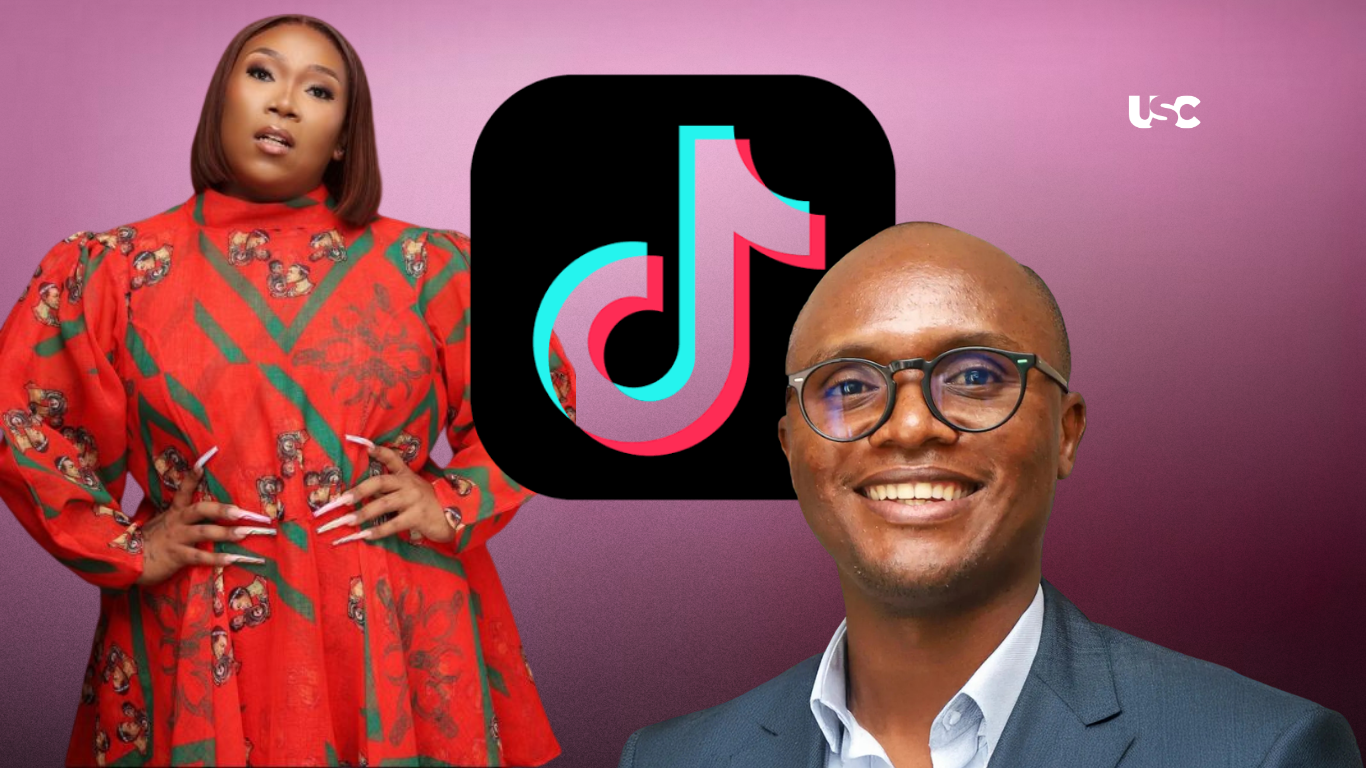
TikTok South African Creator Monetisation Problem
South Africa’s Communications and Digital Technologies Minister, Solly Malatsi, has spent well over a year publicly pressuring TikTok over a stark imbalance: the platform’s Creator Fund — the programme that pays creators directly for their content — remains unavailable in every African country, despite South Africa alone having more than 17 million TikTok users.
The Numbers Behind the Fight
TikTok’s Creator Fund currently covers just seven countries: the United States, United Kingdom, Germany, Japan, South Korea, France, and Brazil. Not a single African nation is included. A more limited programme, Effect Creator Rewards, does include three African countries — South Africa, Morocco, and Egypt — among 53 eligible regions globally, but this doesn’t provide the same direct, ongoing monetisation the Creator Fund offers.
Without access to either, South African creators are largely limited to brand deals, influencer partnerships, and virtual gifts sent during TikTok Live sessions — income streams TikTok itself takes a significant cut of.
What Malatsi Has Actually Said
Malatsi has raised this repeatedly at public events, including the TikTok Safer Internet Summit in Cape Town and the annual Social Media Summit in Johannesburg. His own language consistently frames the issue as one of economic fairness, not a claim of deliberate racial targeting:
“That the creators’ fund is not applicable to South Africa is an economic injustice that needs to be corrected… South African TikTok creators have had an impact on the app which has helped enhance TikTok as a platform that continues to generate the amount of revenue it does for itself.”
He’s also connected the issue to the platform’s continued growth on the continent, arguing the current setup reinforces broader inequality:
“When African creators are excluded from platform monetisation, it reinforces digital economic inequalities and undermines content creation as a sustainable career.”
Malatsi has confirmed his department has engaged TikTok’s leadership directly and is seeking support from other African governments to strengthen the continent’s collective negotiating position — framing this explicitly as an ongoing, unresolved fight rather than a settled dispute.
What South African Creators Are Actually Saying
Beyond the ministerial level, individual creators have voiced sharper frustrations. South African creator Dominic Zaca, who has 1.2 million TikTok followers, described the platform’s approach as biased, and raised a specific complaint about content originality:
“Africa has been at the forefront of the content creation trend and then we see countries which are monetised use our content or mimic our content and get paid for it. Despite the African content creator who originated the sound or the dance move being known to the platform, they get no incentives if they are African inventors.”
This specific claim — that trends and sounds originating from African creators get picked up, replicated, and monetised by creators in eligible countries, while the originators see nothing — has become a recurring frustration voiced by South African creators, separate from Malatsi’s broader economic-policy framing.
TikTok’s Response
TikTok has pushed back directly on the idea that the exclusion is deliberate. Boniswa Sidwaba, the platform’s head of content operations for Sub-Saharan Africa, addressed the criticism directly:
“It is important to correct the notion that Africa has been deliberately excluded from the Creator Rewards Programme. As a growing platform, it is our responsibility to test products and features before launching them globally, or on a wider scale.”
TikTok maintains that African creators have access to a range of alternative monetisation tools tailored to the region, and has publicly stated that African creators are “coining it” on the platform through these alternative routes, even without direct Creator Fund access.
Why This Keeps Happening, According to Analysts
Media entrepreneur and creative economy analyst David Adeleke has linked the pattern to Africa’s broader lack of leverage over global platforms, rather than framing it as a uniquely TikTok-specific decision:
“The continent doesn’t generate as much revenue and capital returns for these platforms as other markets. Plus, African countries don’t have the political pull of capital to force these conversations in their favor.”
He points to the US government’s ability to force ByteDance into considering partial American ownership over national security concerns as a contrast — a level of leverage no African government currently holds over the platform.
Frequently Asked Questions
Why don’t South African TikTok creators get paid by the Creator Fund? The Creator Fund only operates in seven countries — the US, UK, Germany, Japan, South Korea, France, and Brazil. No African country is currently included, despite South Africa’s 17 million-plus user base.
What has Minister Malatsi done about it? He’s repeatedly engaged TikTok’s leadership directly, calling the exclusion an “economic injustice,” and is seeking support from other African nations to strengthen the continent’s negotiating position.
How has TikTok responded? TikTok disputes that the exclusion is deliberate, saying it tests features before wider rollout, and maintains creators have access to alternative monetisation tools.
How can South African creators currently earn money on TikTok? Through brand partnerships, influencer deals, and TikTok Live gifts. South Africa is one of only three African countries (alongside Morocco and Egypt) included in TikTok’s more limited Effect Creator Rewards programme.
Bottom Line
This remains a genuinely unresolved fight, not a settled story. Malatsi has secured engagement from TikTok but no confirmed breakthrough, and the platform maintains its position that no deliberate exclusion is occurring. What isn’t in dispute is the raw number at the center of it: 17 million South African users, and zero direct access to the fund that pays creators in seven other countries. Whether that changes likely depends on exactly what Adeleke pointed to — collective African political leverage TikTok can’t currently ignore.
Want to know what South African creators can actually earn on TikTok right now? See our full breakdown here.
