
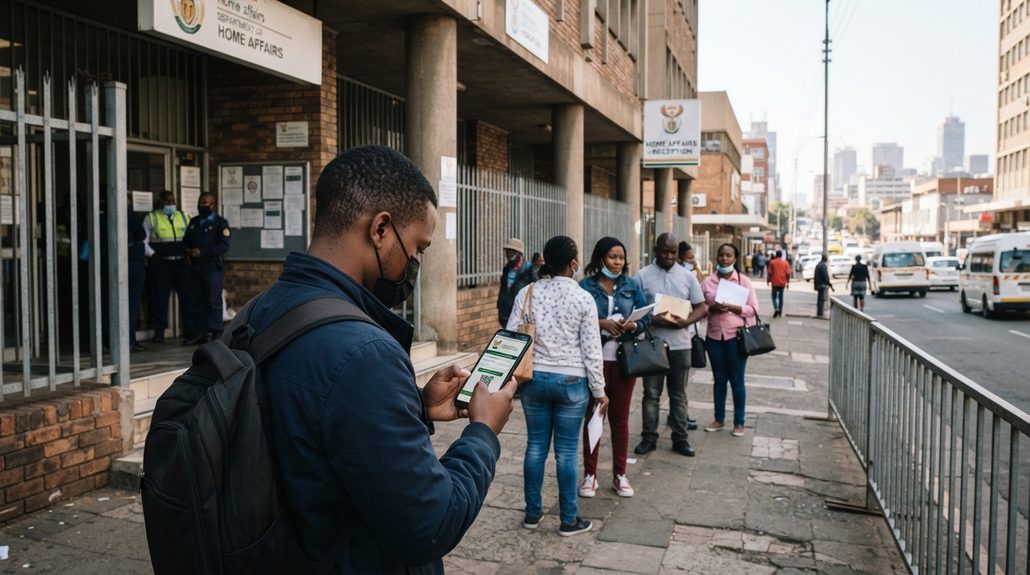
Petition Calls for South Africa’s Online Asylum Plan to Be Stopped
A public petition is challenging the government’s proposed online asylum registration system, demanding greater transparency, stronger safeguards and proof that Home Affairs can manage the rollout.
A petition calling for South Africa’s planned online asylum registration system to be stopped is gaining attention amid growing public debate over immigration, asylum applications and the government’s ability to manage the country’s refugee system.
Titled “Stop the Online Asylum Registration Plan”, the Change.org campaign calls on the government to pause the proposed rollout until its readiness, costs, legal safeguards and implementation plans have been made public. The system was announced on 11 October 2026, with a phased introduction targeted for 10 November. https://www.change.org/p/stop-the-online-asylum-registration-plan
The petition argues that introducing a digital registration platform will not automatically resolve the administrative problems facing the Department of Home Affairs. It demands answers about identity verification, fraudulent applications, rejected asylum claims, processing delays and accountability if the system fails.
What Is South Africa’s Online Asylum Registration Plan?
The Department of Home Affairs is preparing a phased process that would allow people intending to seek asylum to register their intention online and receive an appointment at a Refugee Reception Office.
Under the proposed model, applicants would receive a registration receipt containing their personal details, biometric information, a reference number and an appointment date. Assisted registration is also planned for people who cannot complete the process online, including those who require assistance while in detention. https://www.sanews.gov.za/south-africa/government-seek-court-guidance-asylum-ruling-introduce-registration-system
Government says the system is intended to provide a more structured way to manage applications while strengthening identity verification and helping officials distinguish new claims from previously rejected applications.
Importantly, the registration receipt would not be a visa or proof that someone has been granted refugee status. It would record the person’s intention to seek asylum and support the legal protections applicable while their application is processed.
The proposal follows a Constitutional Court judgment delivered on 7 July 2026 in the Scalabrini Centre of Cape Town matter. The ruling addressed legal barriers that prevented certain people from accessing the asylum process because of procedural requirements, including the absence of a transit visa.
Home Affairs subsequently withdrew an operational directive issued on 28 September after refugee reception offices became overwhelmed and concerns about staff safety and public order emerged. The government has since announced that it intends to seek further guidance from the courts on implementing the judgment. https://www.gov.za/news/media-statements/home-affairs-director-general-withdraws-asylum-directive-09-oct-2026
Why Is the Petition Opposing the Rollout?
The campaign, initiated by Hon. Siphiwe Mbatha, argues that the government should demonstrate that the proposed system is ready before introducing another administrative process.
Among its main demands are:
- Pause the rollout: Suspend implementation until operational readiness can be demonstrated.
- Publish the plan: Make the legal basis, costs, safeguards and implementation timetable available for public scrutiny.
- Clarify the receipt: Explain what protections registration provides and how long those protections remain valid.
- Address the backlog: Publish a funded plan with clear deadlines and regular progress reports.
- Strengthen accountability: Investigate document fraud and corruption and establish consequences for officials responsible for failures.
The petition also calls for the plan to be brought before Parliament and for the President, the Minister of Home Affairs and lawmakers to respond publicly before the planned rollout proceeds. https://www.change.org/p/stop-the-online-asylum-registration-plan
The campaign’s central argument is that registering applicants digitally is not the same as deciding whether they qualify for asylum. It wants government to demonstrate how the system will improve processing rather than simply transfer existing queues to an online platform.
These demands represent the petition organisers’ position; they are not findings that the proposed system has already failed.
Public Debate Intensifies Over Asylum Policy
The proposed system arrives amid heightened tensions over immigration and the administration of asylum applications in South Africa.
The government’s handling of the Constitutional Court judgment has drawn criticism from different sides. Some members of the public have raised concerns about immigration enforcement, pressure on Home Affairs offices and the management of undocumented migration. Civil society organisations, meanwhile, have emphasised the need to uphold the legal rights of people seeking protection.
The Portfolio Committee on Home Affairs has called for a detailed operational plan, including information about staffing levels, application caseloads and the capacity of refugee reception and appeals offices. It has also stressed that the court judgment does not automatically grant refugee status to everyone who expresses an intention to seek asylum. https://www.parliament.gov.za/press-releases/media-statement-home-affairs-committee-calls-practical-asylum-plan-and-migration-legislation-be-expedited
The controversy has also been accompanied by misinformation about the legal implications of the judgment. Access to the asylum application process does not automatically confer citizenship, permanent residence or recognised refugee status.
Any assessment of the new system therefore needs to distinguish between legitimate questions about administrative capacity and unsupported claims about the legal rights of asylum seekers.
What Happens Next?
Home Affairs has set 10 November 2026 as the target for introducing the phased registration and appointment model. The government has also said it intends to approach the courts for guidance on implementation and may seek time to strengthen the department’s administrative, staffing and processing capacity. https://www.sanews.gov.za/south-africa/government-seek-court-guidance-asylum-ruling-introduce-registration-system
The petition is calling for the rollout to be paused until government provides more detailed answers about readiness, costs, safeguards and accountability.
Key questions remain about how accessible the online platform will be, how personal and biometric information will be protected, how appointments will be managed and whether the system will reduce the existing backlog.
The government’s published implementation plan, parliamentary oversight and the outcome of its proposed court application will help determine how the process develops.
For the petition organisers, the demand is clear: greater transparency before implementation. For Home Affairs, the challenge is to establish a workable registration process while complying with the law and managing the practical pressures facing the asylum system.
Read the petition: Stop the Online Asylum Registration Plan on Change.org
Urban Street Culture will continue to follow developments around South Africa’s asylum registration system and the public response to the proposed changes.
